

Life in a lab
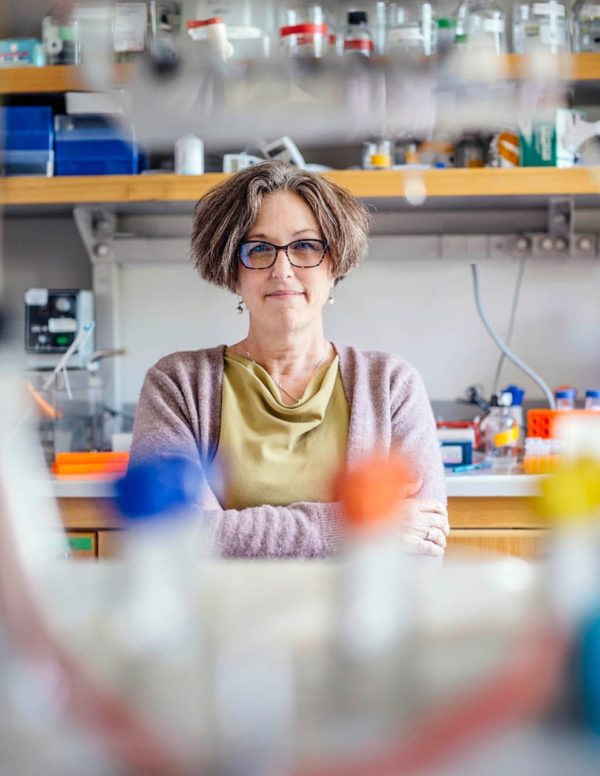
Plans, dreams and day-to-day work for a team studying the sense of touch
Plans, dreams and day-to-day work for a team studying the sense of touch
New Stanford medical school curriculum gives more flexibility and incentives for long-term research
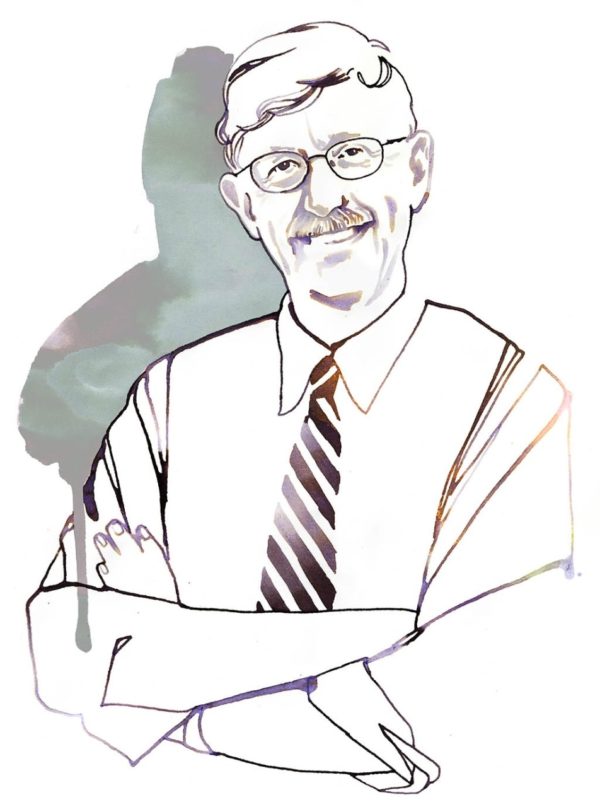
A conversation with NIH director Francis Collins
Readmissions account for $86 million of the $911 million spent yearly on gun-injury hospitalizations, according to analysis by Stanford researchers.
Scientists have developed an algorithm that can quickly detect 14 types of disease by scanning hundreds of chest X-rays in a matter of seconds.

People who have physical therapy soon after a diagnosis for shoulder, back and other musculoskeletal pain are less likely to use opioids, an analysis shows.
People born with heart defects have a higher risk of cardiovascular disease as adults and should be monitored more carefully than previously thought.

Researchers have identified a brain-circuitry link between how much food mice consume and social interactions, which could lead to treatments for people with anorexia.
Knowing the genetic makeup of tissue that forms around organs after surgery could prevent the painful adhesions.
Readmit
Closing gaps in our understanding of the human body is central for precision health