

Made to move
From musculoskeletal development to peak performance
In this issue
Explore issues
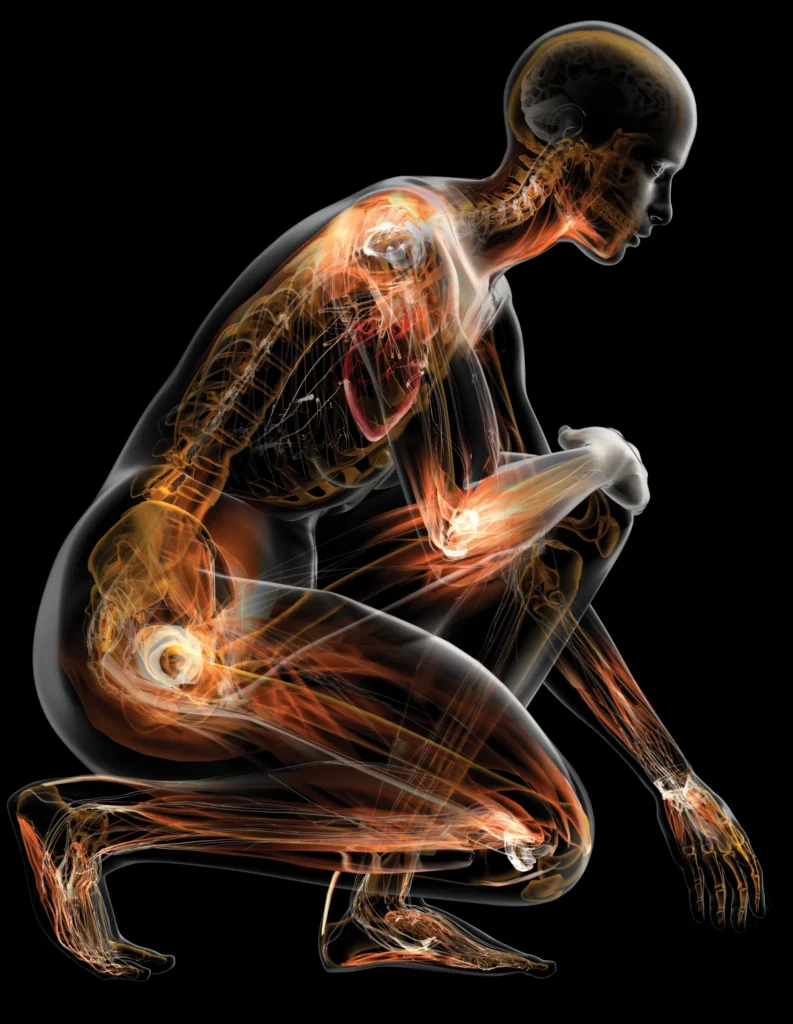
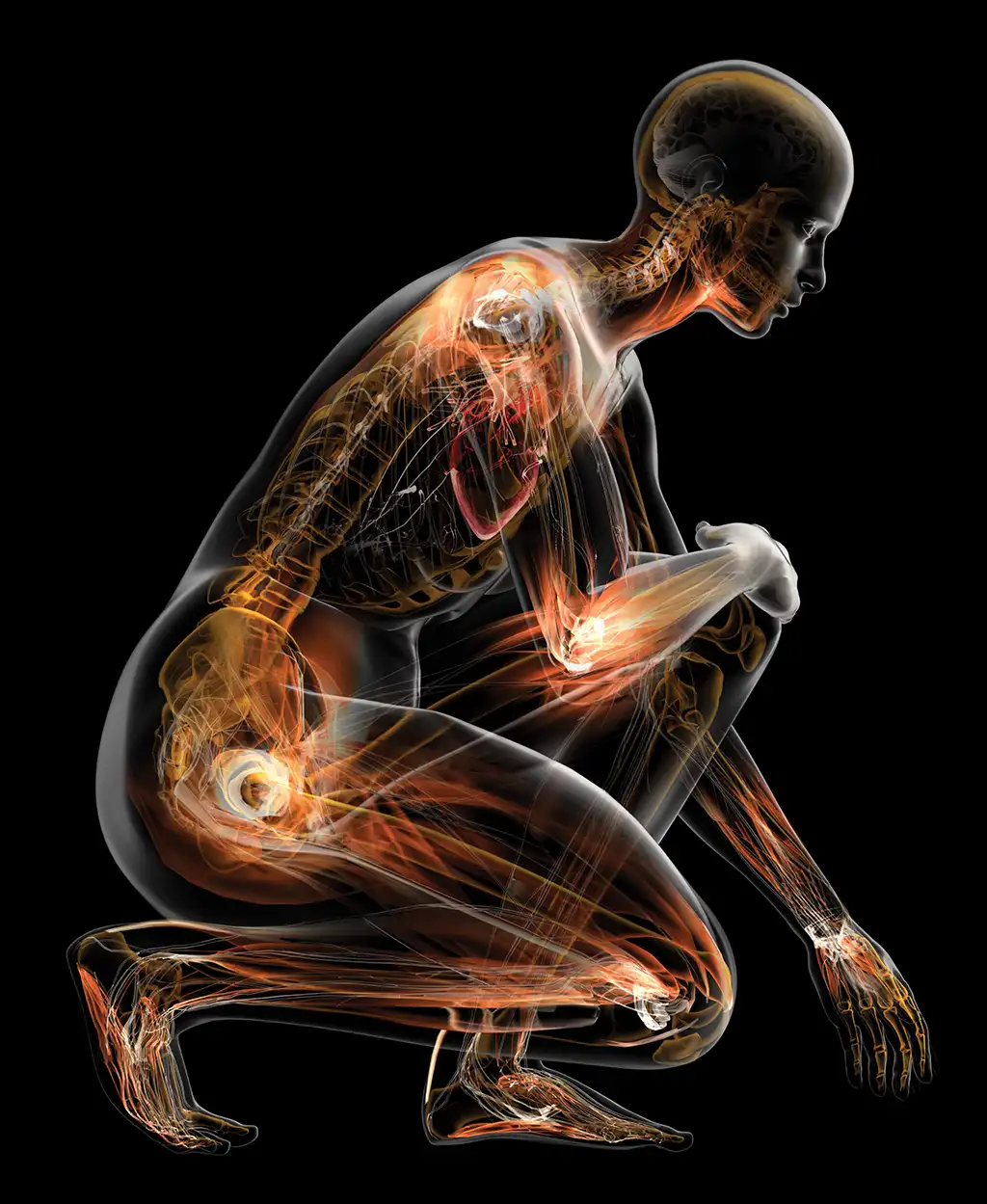
Made to move
From musculoskeletal development to peak performance
The power of research

Reclaiming health
Solving the chronic disease puzzle
Reimagining cancer
Innovation-driven exploration and care
Health Compass Podcast
Expanding on Stanford Medicine stories
From the archive
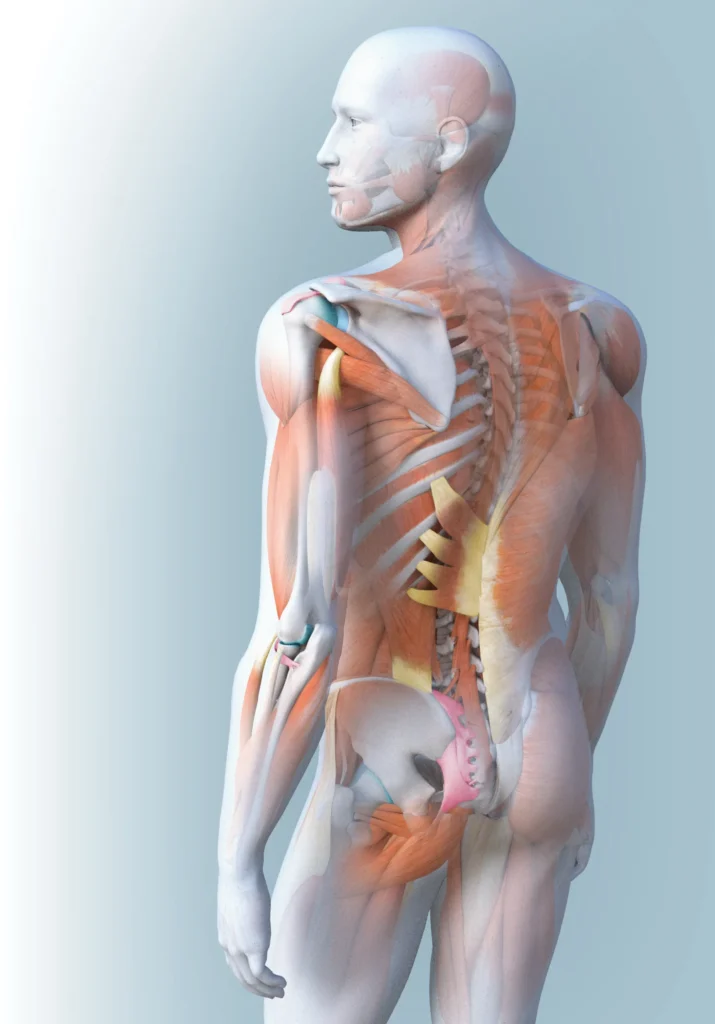
The living framework
Inside the growing, self-healing tissues that make movement possible
Upfront
A quick look at the latest developments from Stanford Medicine

Lessons from antlers
How 3D-printed scaffolds and antler stem cells advance bone repair
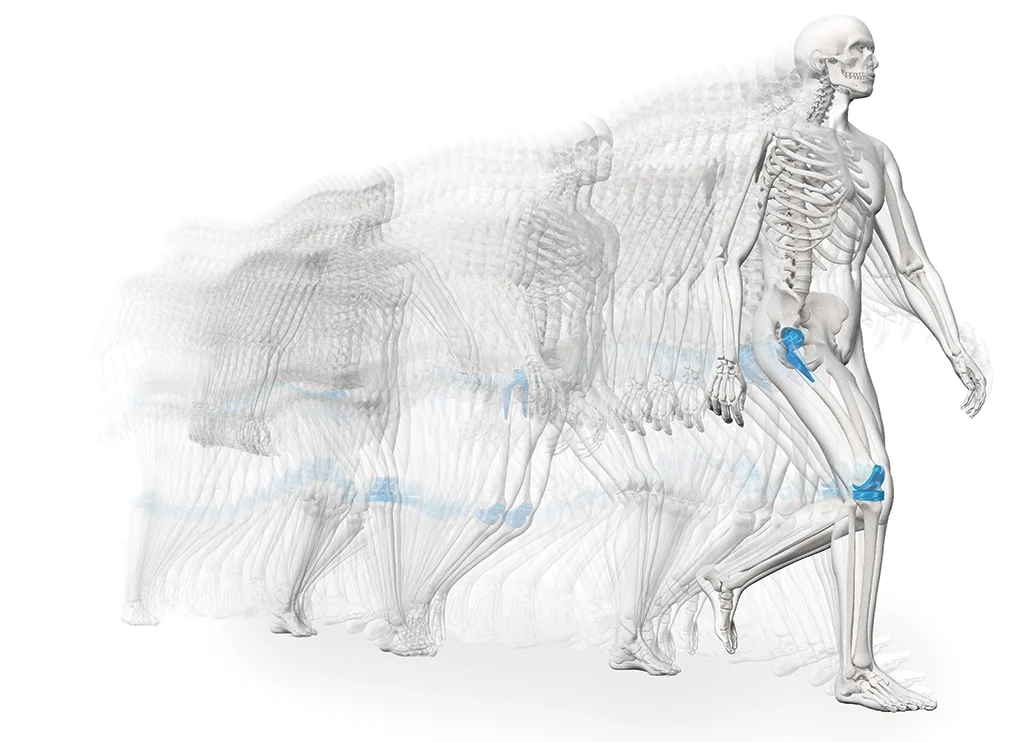
Built to last
Why joint replacement is better and more popular than ever
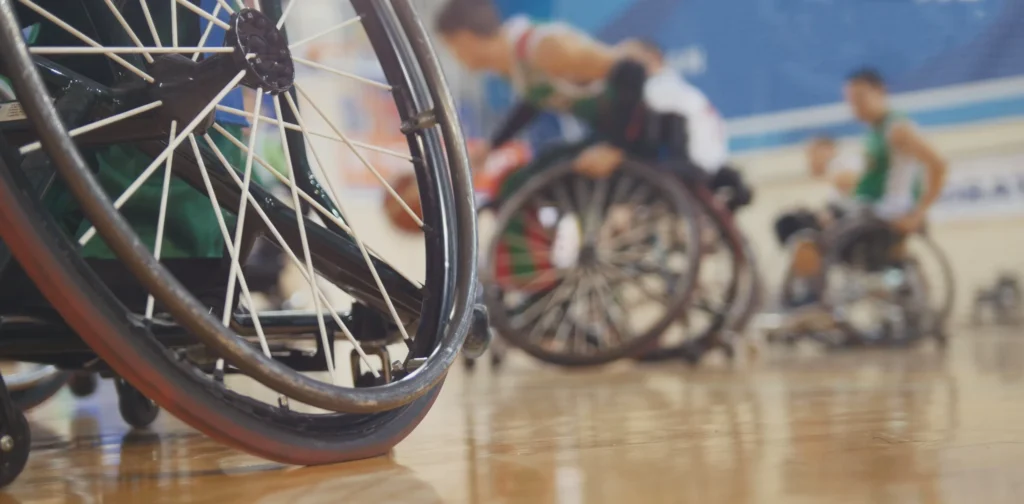
Beginner’s guide to adaptive sports and staying safe
How to find adaptive sports near you and protect your body while training

Feast and famine
Metabolism changes that occur as pythons gorge then fast provide insight into potential weight loss options
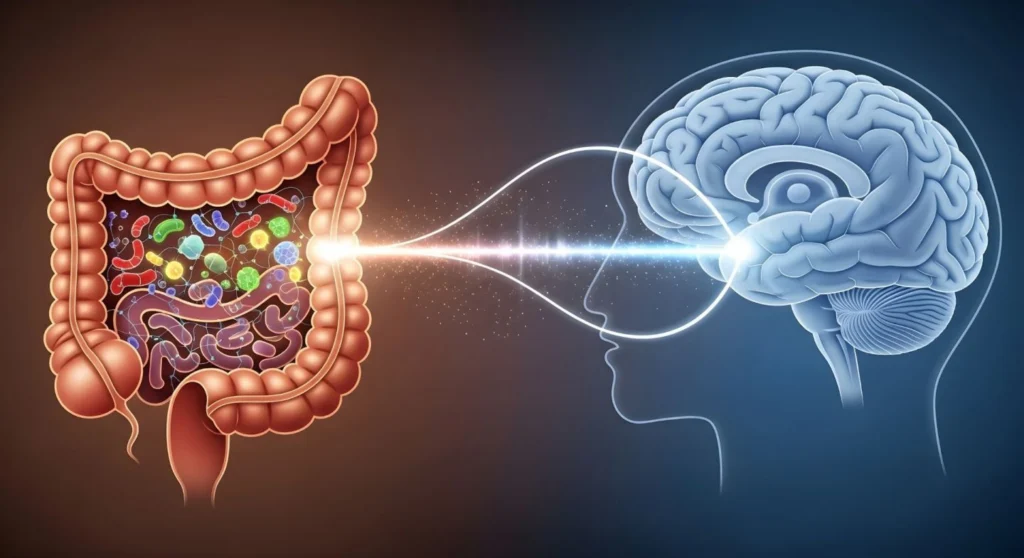
Your microbiome may be aging your brain
Scientists find a link in mice between gut bacteria and age-related cognitive decline
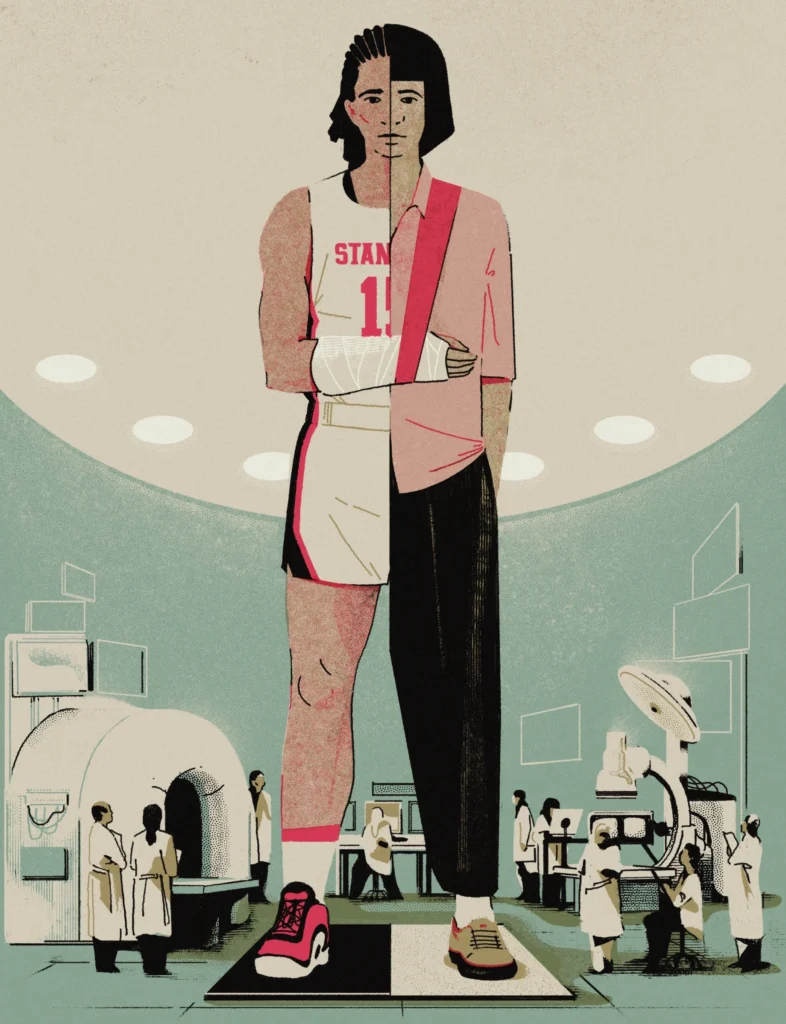
Game changers
The innovations that keep college and professional athletes in top form are
benefiting the rest of us
When childhood illnesses harm the bones
A pediatric researcher explains puberty’s critical window for bone development — and how chronic illness can slam it shut

From a car jack to precision cancer care
Three Stanford medicine inventions that made radiotherapy safer and more precise
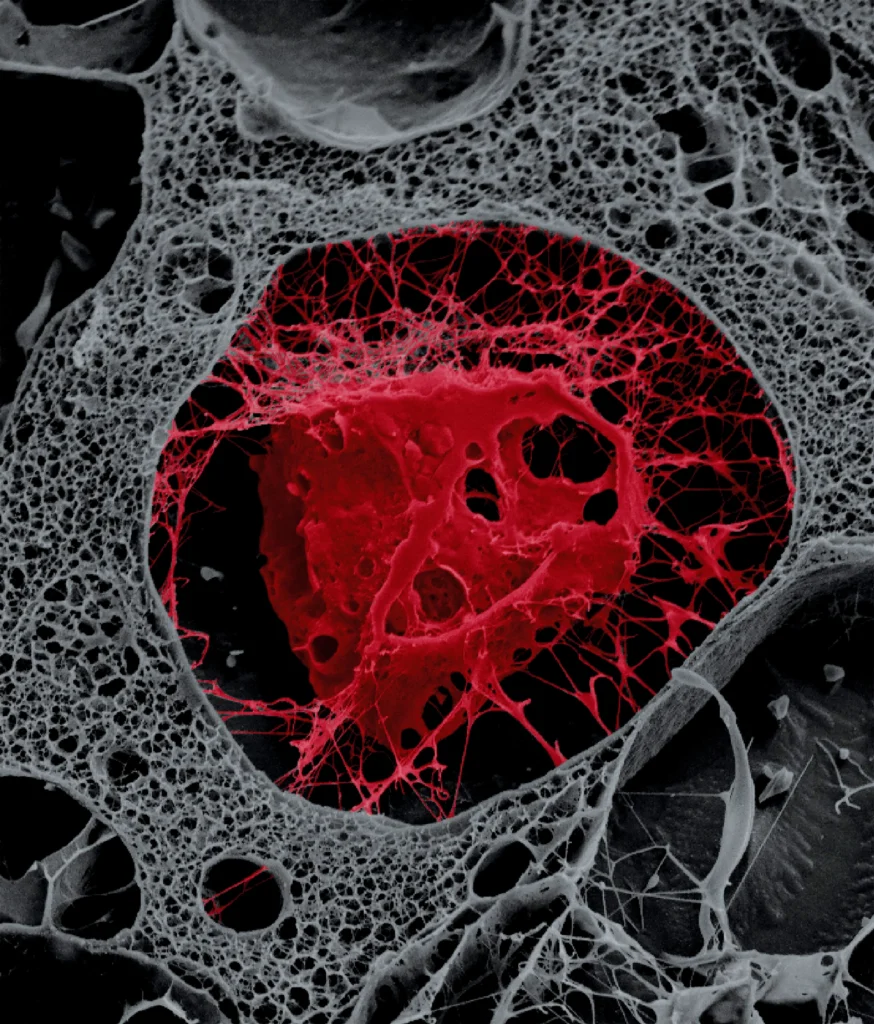
The hidden life of bones
Osteoblasts and osteoclasts rebuild bone throughout life

Big ideas, three short minutes
Meet the finalists who distilled their years of biomedical research into 180 seconds

Keeping athletes with disabilities in the game
Inside the specialized field of adaptive sports medicine
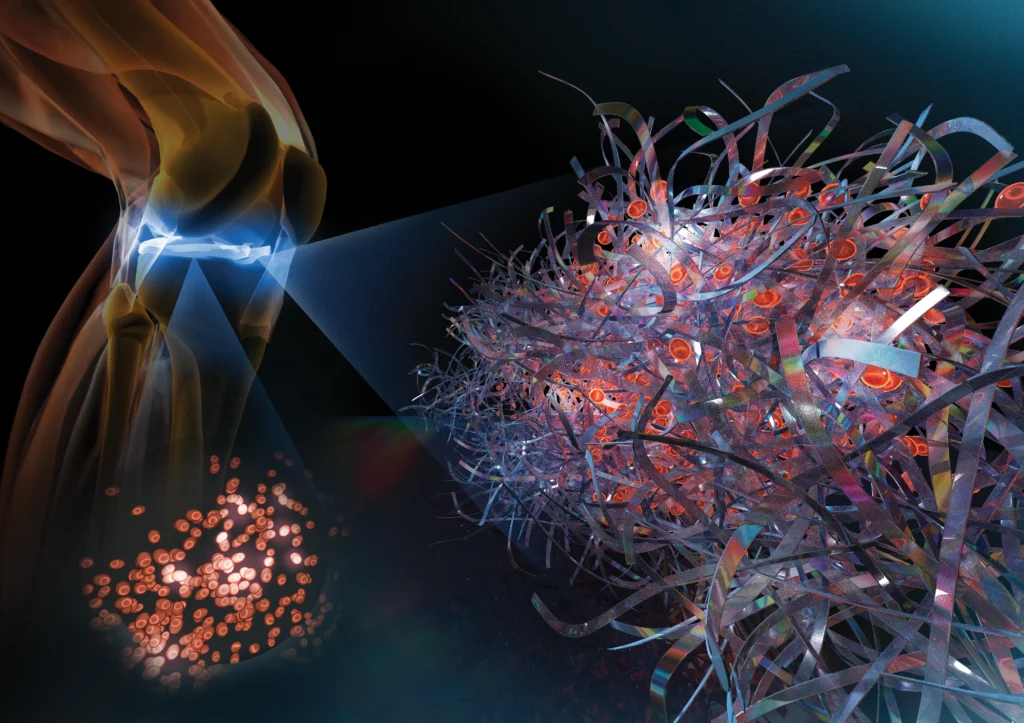
Cartilage can’t heal well — but that may change
New scaffolds, drugs and imaging to repair joints and prevent arthritis

Stabilizing the spine without fusion
New implant holds slipped vertebrae steady while still allowing movement