Beginner’s guide to adaptive sports and staying safe
How to find adaptive sports near you and protect your body while training
Chantal Nguyen, MD, a clinical assistant professor of orthopaedics at Stanford Medicine who works with athletes with disabilities, offers this advice for getting started in adaptive sports:
Find adaptive sports programs
and equipment loans
- Search online for adaptive sports and recreation groups and get in touch — many offer tryout sessions, coaching and adaptive equipment loans. National organizations include MoveUnited and the Challenged Athletes Foundation.
- Bay Area adaptive sports organizations are listed on Stanford University’s Diversity and Access Office site at stan.md/AthleteAccess.
- Your physician or physical therapist might also know of additional resources.
Try an adaptive version
of a sport you already like
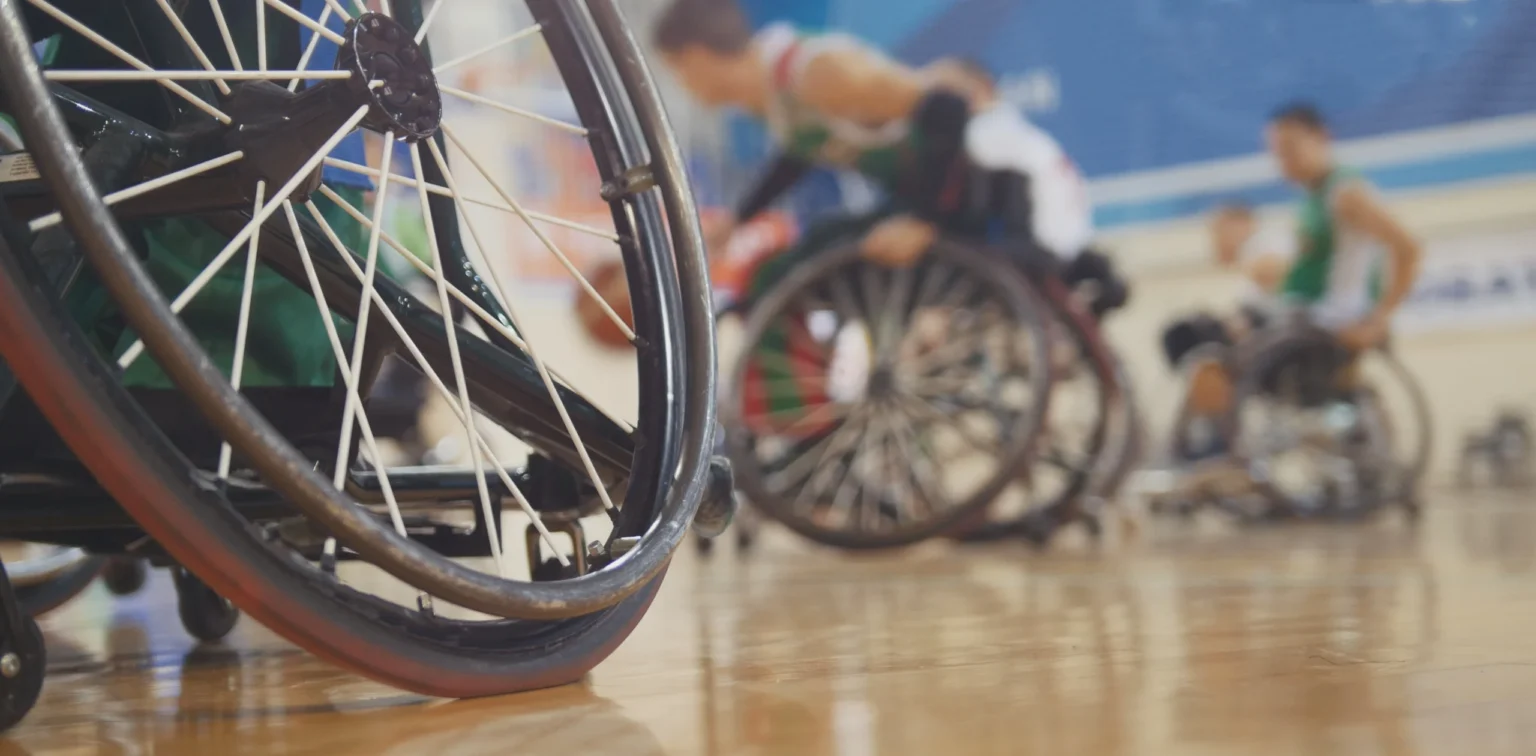
- Most sports have adaptive options (for example: wheelchair basketball, Para swimming and adaptive cycling). If you’re not sure what fits best, try a few activities to see what you enjoy and what works for your body.
Veterans: Check the VA
- If you’re a veteran, contact your local VA to ask about adaptive sports programs and events. Reach the VA Palo Alto Health Care System at stan.md/VetsAdaptive.
Get a medical evaluation
before starting a new sport
- Consider a pre-participation evaluation with a medical professional.
Wheelchair athletes:
Protect your shoulders
- Preservation of shoulders is essential because they are used for both daily mobility and sport.
- A home exercise program emphasizing scapular stabilization and rotator cuff strengthening, plus efficient wheelchair propulsion technique, can reduce strain. Remember the importance of regular pressure relief, both at home and at events.
Athletes with amputations:
Check skin and prosthetic fit
- Do frequent skin checks and make sure your prosthesis fits well during activity to reduce friction, blisters and skin breakdown.