


Laugh, cry, repeat
How therapy, humor and community can ease the psychological toll of chronic illness
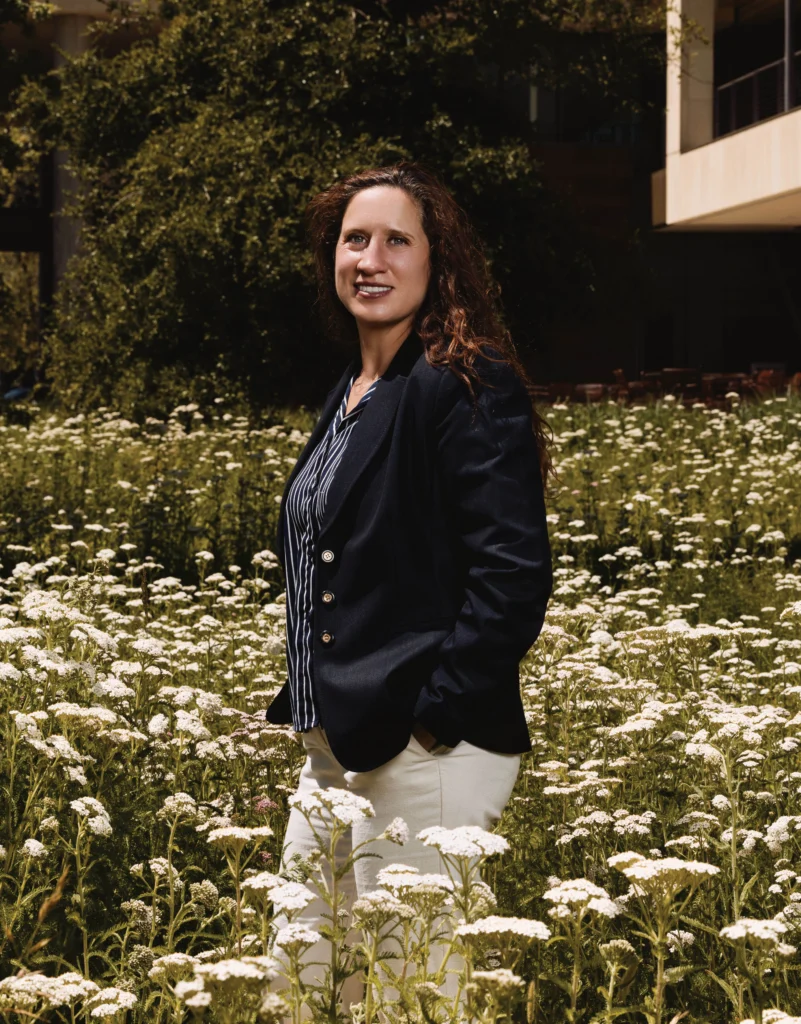
Mental health is an often-overlooked aspect of living with a chronic illness, especially for young people and their families. Diana Naranjo, PhD, a psychologist working with patients managing diabetes and cystic fibrosis, believes the emotional weight is just as significant as the physical one.
“I think people would be surprised at how much mental real estate is consumed by chronic illness,” said Naranjo, a clinical professor of pediatrics in endocrinology and diabetes. “It’s incredibly common to be managing anxiety and depression alongside the disease itself. And those conditions can make everyday tasks feel nearly impossible.”
Naranjo’s passion for this work is deeply personal. Growing up in an immigrant Latino family and witnessing firsthand their difficulties obtaining mental and physical health care shaped her understanding of societal barriers. Her father’s struggle with bipolar disorder and cancer revealed the profound challenges of navigating complex health systems without adequate support.
In this Q&A, Naranjo shared what she has learned from working with patients and studying ways to help families and individuals manage chronic disease.
What would you like people living with a chronic condition to know about mental health?
It’s important to be kind to yourself. When you first learn about the illness, there’s often a trauma response: shock and grief about the loss of a healthy self. You’re also taking in a lot of information — a data download — about your condition. Learning and adjusting can create a lot of stress. Next comes maintenance. There will be moments when you feel good and there will be moments of burnout, when you feel really disengaged and overwhelmed. Burnout is normal, so don’t get freaked out. The whole family — especially one with young children — can be affected.
Beyond general recommendations of getting enough sleep, exercising and practicing mindfulness, what are some mental health strategies that are especially helpful for people with chronic illness?
I suggest finding a group of people who have a similar condition. You can breathe a sigh of relief when you’re with someone who knows what you’re going through. You can also create new habits and routines that might sound silly but can make a chronic illness feel less onerous, more fresh. For instance, some teens with diabetes like to decorate their insulin pump case with stickers. And finding humor in silly, weird, gross things can go a long way, even for adults — whether it’s making fun of yourself or something that went wrong.
How about therapy?
Therapy can make a big difference because a lot of specific treatments can help with your spirit. An example is a type of psychotherapy called acceptance and commitment therapy. It focuses not on “how do I fix this and make it go away?” but on how to live the best quality life with the symptoms you have and with the uncertainty of your condition. It asks, “What is meaningful to you? What is so important that you don’t want to miss it?” If you are missing important things because the chronic condition is all consuming, how do we change that?
Living with a serious chronic disease is a marathon, not a sprint. It’s a road with valleys and peaks, and it’s expected that extra support will be needed along the way. Seek it out or ask for help if you need it.
