

Through their eyes
A student-led program giving pediatric patients a chance to tell their stories through photos goes global

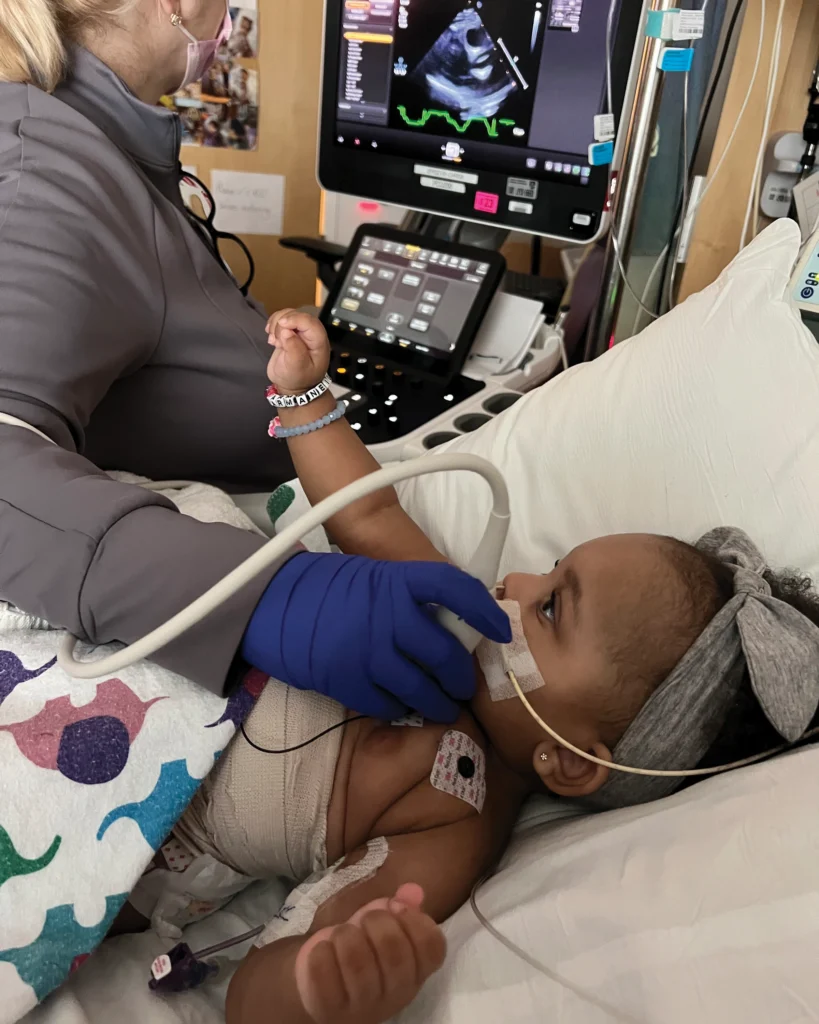
Niisoja Torto, a medical student and Knight-Hennessy scholar at Stanford University, has always been interested in storytelling and how the way we share our stories can change our perspectives. So, in 2021, when he was looking for a topic for a Knight-Hennessy project that would address a social issue, Torto thought about how children in hospitals often aren’t able to tell the stories of their experiences there.
“Pediatric patients lose a lot of agency for storytelling in the hospital,” Torto said. “Things that involve them are discussed with their parents or among the medical team. It’s a struggle to tap into their perspectives about what they care about.”
Torto pitched a project that would involve giving cameras to children and their parents at Lucile Packard Children’s Hospital Stanford to document their experiences, empowering them to tell their stories through creative means.
The Knight-Hennessy scholarship program for graduate students has three pillars — civic mindset, independence of thought and purposeful leadership — and encourages each of the scholarship recipients to complete a multidisciplinary collaboration that solves a pressing regional or global issue.
The pediatric photography project was a good fit. “It could bring together interdisciplinary scholars to work on something that’s important to the community,” Torto said.
Launched in 2021, the resulting program, Through Their Eyes, has become a way for children and their parents who are cooped up in a hospital to express themselves. And now a new crop of scholars are taking the project in different directions.
“It’s gone global,” said Aaron Abai, a second-year medical student. “A scholar working on a project in Chile has given new mothers cameras to help document their experience with motherhood. Another scholar has taken cameras to the border to work with migrant children.”
The pediatric photo project begins
That first year, a team of 11 Knight-Hennessy scholars, in medicine and other fields as varied as arts and engineering, participated in the project, interviewing the photographers — parents of young children and pediatric patients older than 5 — about the significance of the images they took in the hospital.
The project culminated in three gallery exhibits and a celebration for the patients, their families and the students on campus at Denning House, the hub for the scholars’ program. The photos are still on display at Packard Children’s.
“Everyone was excited and even a little surprised at how quickly the patients and families grabbed onto this project and how eager people were to participate and share with others,” said Sam Rodriguez, MD, the project adviser, who is a pediatric anesthesiologist at the children’s hospital and a founder and co-director of the Stanford Chariot Program, which creates and studies innovative ways to treat pediatric pain and stress through technology.
“It’s an outlet for the patients and their families — many who are in the hospital for long periods of time,” he said. “Although they’re here and not participating in usual activities, there still are stories that are happening in the hospital, and it’s human nature to tell stories.”
Rodriguez said that because children tend to be very visual, the cameras — which pop out instant photos as well as keep digital copies — were well-suited for documenting their experiences.
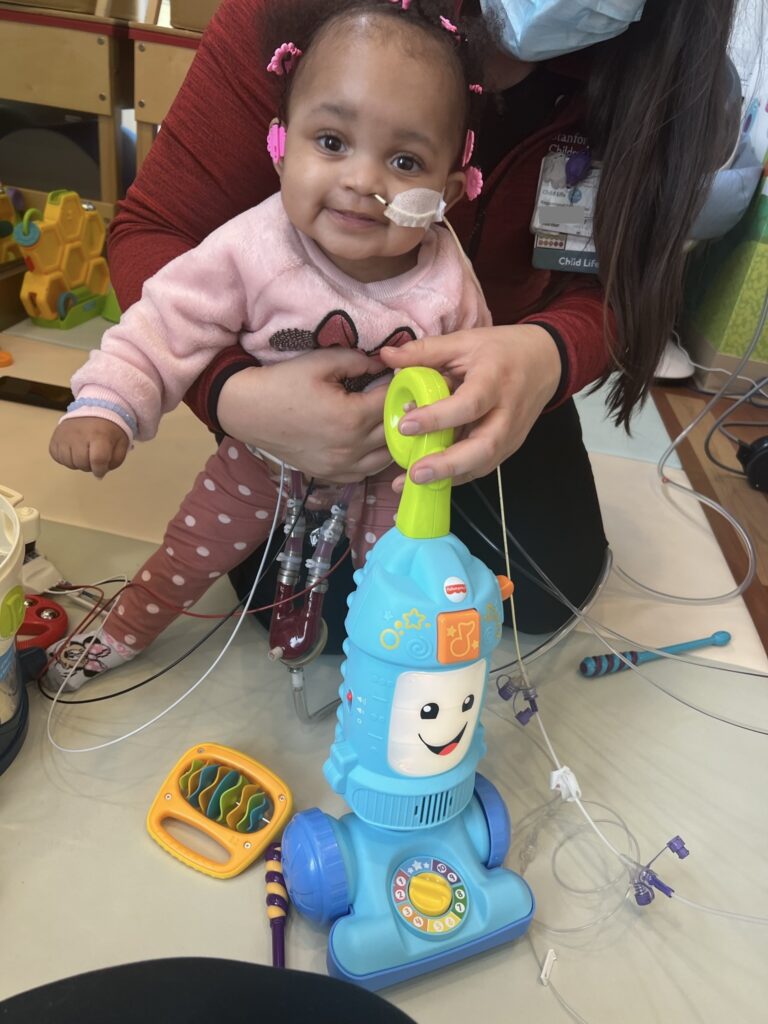
The first year of the project, Tianna Williams’ daughter, Armaneigh, was just over a year old when she entered the hospital for a stay that lasted 341 days. She had a condition called dilated cardiomyopathy, in which the heart becomes weakened and enlarged, and had a long wait for a donor heart. In the meantime, a cardiac pump helped her heart circulate blood and keep her alive.
A certified child life specialist at the hospital, Christine Tao, told Williams about the photo project. Williams, who liked to take pictures for her blog and TikTok, was eager to join.
“I took pictures all day in the hospital, documenting our journey — her dressing changes, baths, walks, medicine, the nurses, any interaction that was going on,” Williams said. “Taking pictures helped me capture moments, and it also helped me get through the experience. Every day waking up and taking pictures, my daughter was still there. Every day of fighting for her heart transplant was another day of hope.”
One of the photos picked for the gallery showed Armaneigh’s scars. “Each scar was a different procedure, a different battle she had to fight,” Williams said. “When people look at families in the hospital, they just hope they get better. This project was able to look through a wider lens to see what families are really going through to get to the other side, whether they have problems with their heart or liver, or have cancer or other diseases.”
Surprising explanations
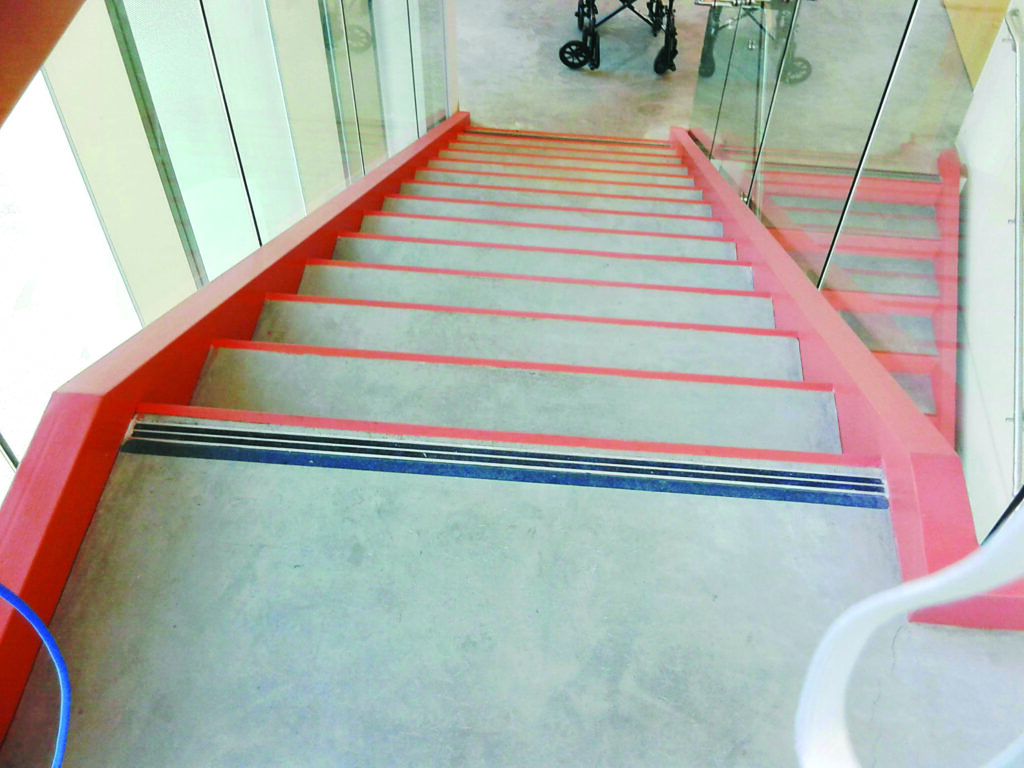
When the Knight-Hennessy scholars interviewed older kids who could take their own photos, they were often surprised by the stories behind the images. Torto was struck by an image of a flight of stairs, taken from the top, with a wheelchair at the bottom. When Torto asked the 11-year-old girl who took the photo what it meant to her, she said: “You can achieve your goals.” Torto said, “The fact that she took the photo from the top of the stairs meant that she could climb the stairs on her own, which, after her illness, was amazing.”
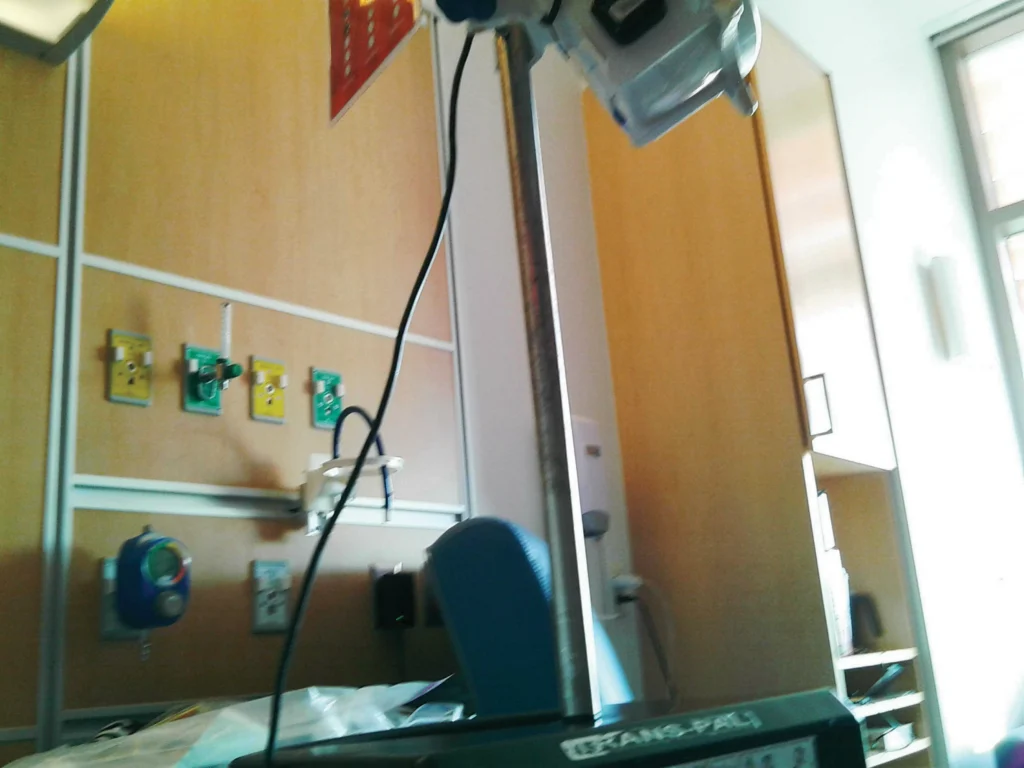
Torto interviewed a 15-year-old girl about a photo that seemed to show just an empty wall. When she was interviewed about what it meant, the girl said, “After surgery, that pole was filled with machines and all the things I needed to keep me alive. Well, as you can see, there is nothing there anymore. It’s a huge reminder of how it was before and how it is now, because that means I made it.”
Often, the stories behind the photos were different from what the scholars expected. “My hypothesis was that a lot of the stories or what was meaningful to patients would be more somber,” Torto said. “Like, ‘My childhood doesn’t look like an ordinary kid’s, and X, Y and Z suck about this experience.’ There was definitely some of that, but a lot of kids talked about the positive things — the progress they had made, being able to play and the nice relationships they had with staff at the hospital.”
Indeed, when the team analyzed their findings, published in January 2026 in BMC Pediatrics, five themes emerged from the interviews: resilience and mental health; environment; playing and being a normal kid; joy, gratitude and appreciating small things; and life before, current and future.
Parents and children, they found, valued taking photos as reminders of strength, growth and progress. Parents and children also emphasized the value of play and normal routines as fun distractions for patients and evidence of healing for caregivers.
Tao, who mainly worked with children with cardiac illnesses at the time, said the project helped her make the kids’ lives seem as normal as possible when they are hospitalized for long periods.
“It was an amazing collaboration because these patients and families had a creative outlet for expressing their journeys and sharing them with others,” she said. “A lot of times kids don’t get a sense of control in the hospital. With this project, they were able to use the camera as their voice — they could control and manipulate it and tell their story through their eyes and their lens, the way they wanted, rather than through an adult perspective.”
She saw parents similarly benefit from documenting their journeys. “I had a mom who was here with her baby for a long time, and the project helped her capture important milestones,” Tao said. “During rehab, she was able to document her daughter’s progress in getting stronger and playing with the toys we brought her. That gave mom a sense of stability and routine and a way to be creative during what was, for her as well, a very long stay.”
“In many ways, it’s opened up my perspective about what may be meaningful to patients, which may not always be what we as providers might guess is meaningful,” Torto said. “Kids are often far wiser than we give them credit for. When we work with kids, we lean into talking with the parents more often. But even with our young kids, our 4- to 6-year-olds, we should ask them as well.”
This doesn’t apply only to working with children, he said. He expects it will serve him if he goes on to become an emergency medicine doctor, as he plans. “Instead of me serving patients or working for patients, I’m thinking about it more as a collaboration. That’s an important frame shift — patients as collaborators, as opposed to people who are just at the whim of our health care expertise.”
Kathy Hu, a Knight-Hennessy scholar in her fourth year of the MD/MBA program, has been translating documents from the project, such as recruitment materials, instructions and participation forms and is introducing it to Spanish-speaking patients at Packard Children’s. She has also brought Through Their Eyes to Santiago, Chile, where she is doing unrelated medical schoolwork, and created a community-based photo program at a local public library there.
“A lot of the families going to the library are in a vulnerable situation,” she said. “They’re migrants or refugees, and we thought that a photo project would similarly help highlight stories and experiences we don’t often hear.”
At a workshop with the theme of tenderness, about 20 families gathered to draw and create photographs that showed what tenderness meant for them.
“Many have pretty tumultuous lives, and to have the opportunity to slow down, reflect on the connection between themselves and their kids, and take pictures was special.”
Each family left the workshop with a book of images.
“When people feel powerless and out of control and you give them a camera, you give them the power to shape their own story. The photo project has been dear to all our hearts, being able to connect with children and families not only at Stanford,” Hu said. “Whether it’s in the hospital or across the border, kids need to be able to express themselves.”