

Improving the lives of people with chronic conditions
Unraveling the complexities of chronic disease diagnostics and care

Letter from the Dean
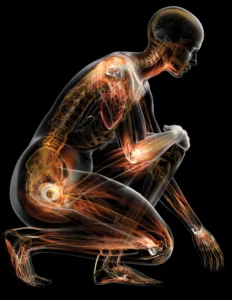
The human body is one of the most complex — and astounding — systems in the natural world. From the microscopic cell to the sophisticated brain, the body, when healthy, performs a phenomenal variety of physical, intellectual and creative activities.
Unfortunately, for the 3 in 5 Americans living with at least one chronic disease, this system has malfunctioned in some fundamental way. And the resulting physical, emotional and economic burden can be devastating.

Chronic conditions and diseases, by definition, are persistent and require ongoing management. Finding better therapies and helping patients more easily manage their conditions — whether diabetes, autoimmune disorders, Alzheimer’s disease or dozens of others — can make a dramatic difference in patients’ quality of life. This issue of Stanford Medicine magazine highlights biomedical discoveries and technological advances that are pointing teams of scientists to exciting new avenues of research.
Key breakthroughs often come when researchers identify disease subtypes — as they have for depression and diabetes — allowing for better diagnosis and more precise treatment. Stanford Medicine faculty have developed an AI-powered algorithm to help identify 3 of the 4 most common Type 2 diabetes subtypes. Similarly, faculty have combined brain imaging with machine learning to identify six biotypes of depression.
Smarter and easier-to-use digital health tools enable patients to monitor and manage chronic diseases without impinging on their day-to-day activities. This provides multiple benefits, including preventing serious complications and improving quality of life by allowing patients to remain untethered from the clinic or hospital.
Researchers at Stanford Medicine and beyond have also deepened their understanding of the profound effects a healthy diet and plentiful exercise can have in preventing and managing so many chronic diseases. There is a veritable feast of new insights into how certain types of foods can be remarkable interventions for gastrointestinal issues, mental health, cardiovascular conditions and even aging.
It is important to note that many of these breakthroughs are possible because of decades of fundamental research that laid the groundwork for comprehending the complexities of human biology and disease progression. Thanks to those earlier efforts, scientists today can focus on translating these discoveries into therapies for a host of conditions, including autoimmune diseases, chronic fatigue syndrome, celiac disease and sickle cell disease.
The programs and research projects you’ll read about in these pages also highlight the potency of team science. When dealing with a system as complex as the human body — in all its sophisticated elegance — it is imperative that we assemble multidisciplinary teams with the combined expertise to unravel the complexities of chronic disease and identify the most effective therapies and treatments for patients to lead a life well lived.
Sincerely,
Lloyd Minor, MD
Carl and Elizabeth Naumann Dean of Stanford School of Medicine
Vice President for Medical Affairs at Stanford University
Professor of Otolaryngology-Head & Neck Surgery