



New children’s health leader
Paul King, a longtime leader in children’s and women’s health, has been tapped to lead children’s health at Stanford Medicine.
Paul King, a longtime leader in children’s and women’s health, has been tapped to lead children’s health at Stanford Medicine.

Researchers hope that understanding the genetics behind the fast bone growth and mineralization in antler regeneration can provide insight into treating fractures, osteoporosis and other bone diseases.

Scientists believe they have identified the process that is key to sending stem cells on the path to form distinct tissue types.
A proliferation of data is driving more democratization in health care, according to Stanford Medicine’s second annual Health Trends Report, published in December.
Research suggests that the children of older dads might have more complications at birth than babies with younger dads.

Detective doctors have diagnosed more than 100 unsolved cases and named 31 newly identified conditions, helping patients who have sometimes waited years for answers.

Medical residents experience global health needs firsthand
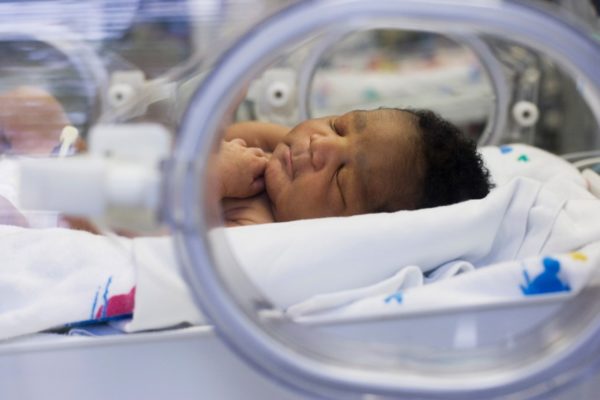
Stanford-India biodesign fellows invent a device that helps newborns breathe on their own

A conversation with Jim Yong Kim, the doctor who led the World Bank

A movement takes off to put more women at the top in medicine