

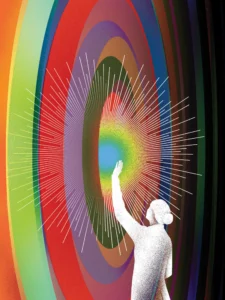

Driving us sane
In a literal test drive, I chatted with experimental robots that help manage stress — here’s how it went
In a literal test drive, I chatted with experimental robots that help manage stress — here’s how it went
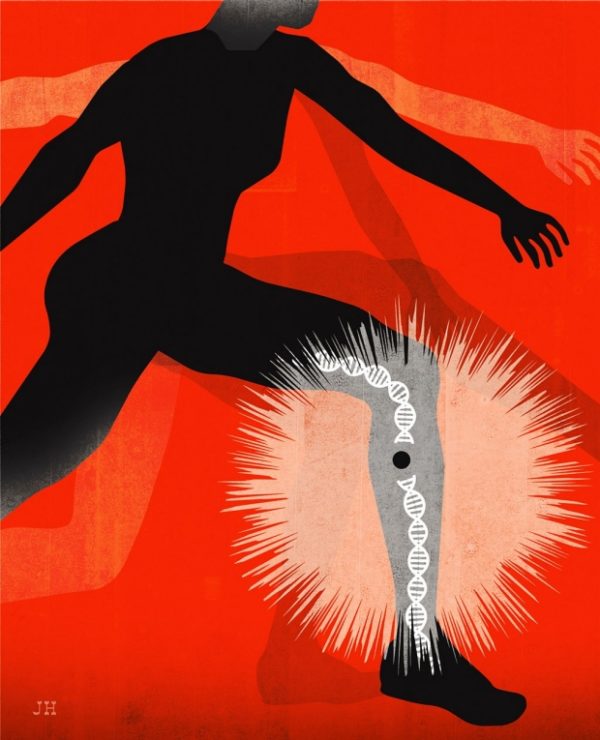
Genetic screening could provide an early chance to counter bone weakening
Varying levels of a naturally occurring molecule that slows the spread of Salmonella could explain why the pathogen doesn’t sicken everyone.

The relatively rapid evolution of our brains could explain why humans suffer from schizophrenia and bipolar disorder, but animals don’t.
Depressed people have lower levels of a naturally occurring amino acid called acetyl-L-carnitine that helps our bodies produce energy.
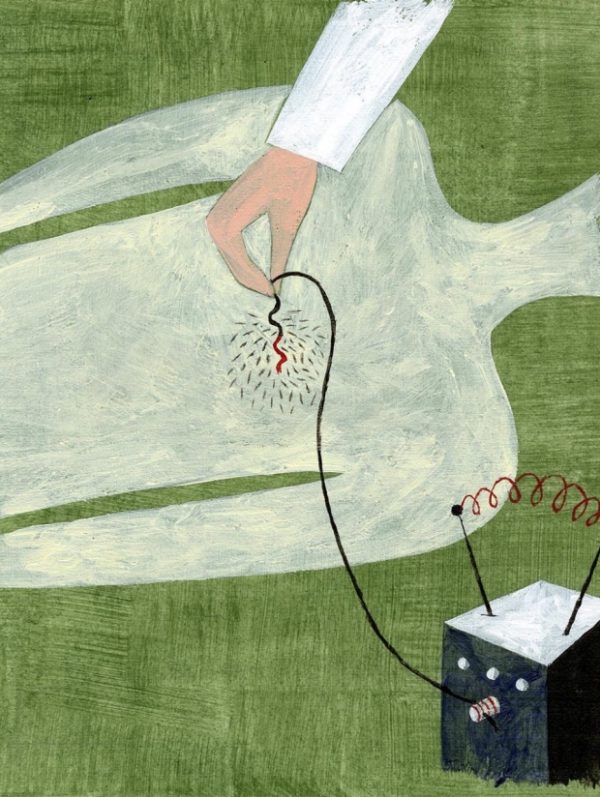
Researchers can employ a magnetic wire to detect up to 80 times more free-floating cancer cells in blood than simple blood tests show.
Activating the release of a mood-regulating chemical into a single brain circuit can improve the sociability of mice with autismlike symptoms.
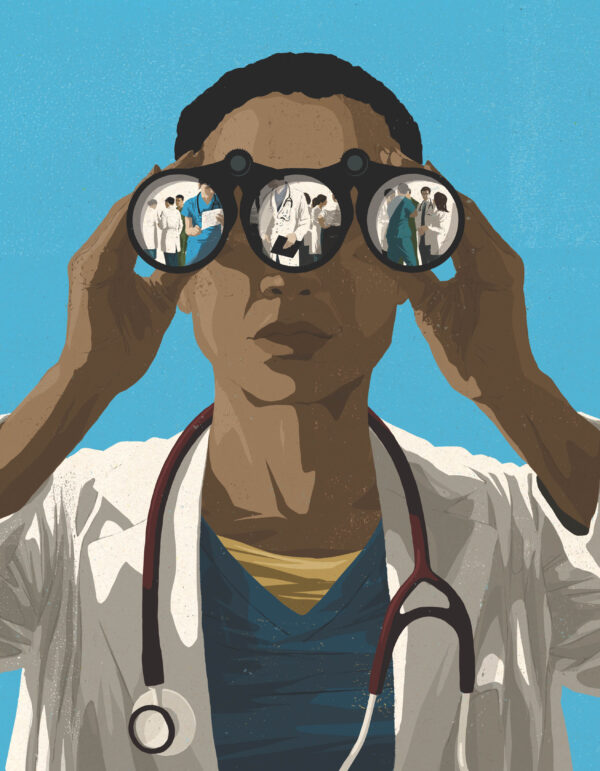
A shared vision of Stanford Medicine’s future

Stanford artificial intelligence projects designed to improve your health

The high-tech and high-touch goal to impact 2 billion lives by 2025