

A softer landing for stem cells
A new transplant approach could spare patients chemo and radiation risks
A successful stem cell transplant can be lifesaving. But the procedure itself, which replaces diseased bone marrow with a healthy donor’s cells, poses severe hazards, such as causing later cancers, for certain patients.
Now, physician-scientists are testing a way to resolve the conundrum, aiming to provide stem cell transplants free of chemotherapy and radiation. The transplants, commonly used for blood cancers and some immune disorders, typically involve destructive agents to eliminate problematic cells. But for several non-cancerous bone marrow diseases, the toxic approach is likely, quite literally, overkill.
The researchers recently tested a gentler method in children with Fanconi anemia, a genetic disease that makes standard stem cell transplant extremely risky. In a Phase 1 clinical trial published in July 2025 in Nature Medicine, the investigators swapped a targeted antibody into the procedure in place of radiation or a risky chemo drug called busulfan.
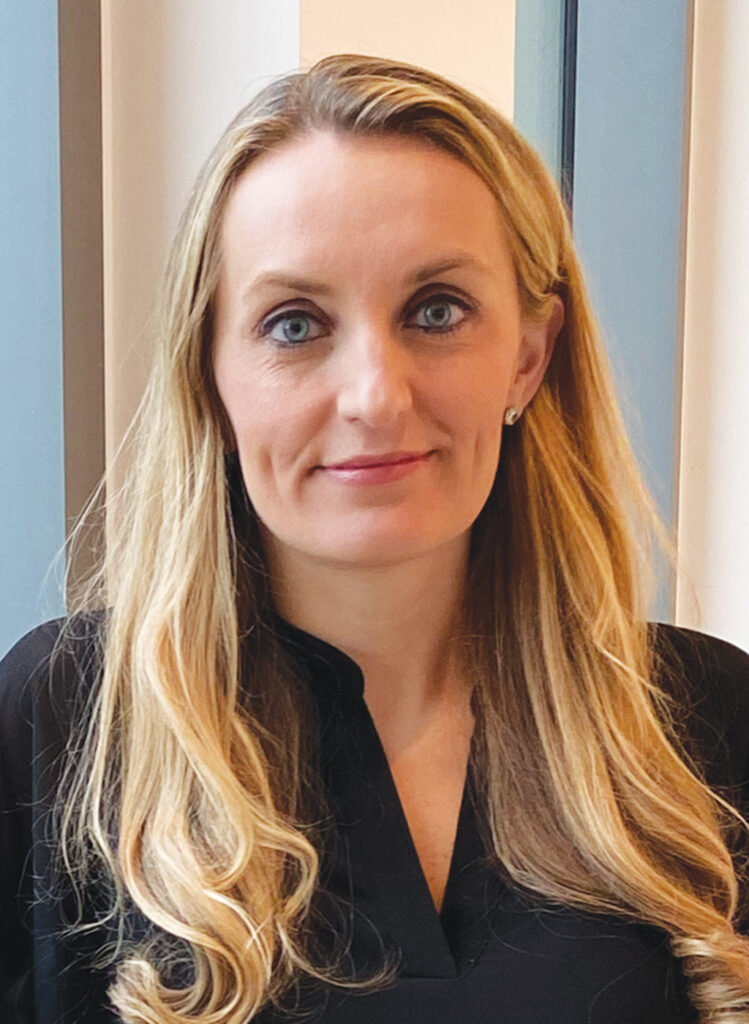
“We were able to treat these really fragile patients with a new, innovative regimen that allowed us to reduce the toxicity of the stem cell transplant protocol,” said Agnieszka Czechowicz, MD, PhD, an assistant professor of pediatrics and co-senior author of the study. The three kids who underwent the new protocol are all at least two years out from the treatment and are doing well.
The first person with Fanconi anemia to experience the new approach was Ryder Baker, of Seguin, Texas, who is now 11. He received a stem cell transplant at Lucile Packard Children’s Hospital Stanford in 2022 as part of the clinical trial. Today, the condition “doesn’t slow him down like it used to,” said Ryder’s mom, Andrea Reiley. Before the transplant, she said, “He was so tired, he didn’t have stamina. It’s completely different now.”
And the transplant saved Ryder’s life.
“If they don’t get a transplant in time, Fanconi anemia patients’ bodies eventually will not make blood, so they die of bleeding or infections,” said co-first author Rajni Agarwal, MD, a professor of pediatric stem cell transplantation. “The reason I am so excited about this trial is that it is a novel approach to help these patients, who are very vulnerable.”
Other authors of the study included co-first author Alice Bertaina, MD, PhD, the Lorry I. Lokey Professor, and co-senior author Matthew Porteus, MD, PhD, the Sutardja Chuk Professor in Definitive and Curative Medicine.
From lab to treatment
Fanconi anemia interferes with DNA repair, impairing production of all three types of blood cells. With few oxygen-carrying red blood cells, patients fatigue easily, lack of white blood cells leaves them vulnerable to infections, and too few blood-clotting platelets lead to bruises and bleeding. By age 12, 80% of patients show signs of a life-threatening complication known as progressive bone marrow failure.
At that point, a stem cell transplant is the best option. To make space for the donor’s cells, patients have traditionally received whole-body radiation or busulfan to eradicate their own blood-forming stem cells. But their impaired DNA repair process — which affects every cell in the body — makes people with Fanconi anemia especially vulnerable to DNA damage from busulfan or radiation.
“Right now, nearly all of these patients develop incurable cancers by the time they’re 40,” Czechowicz said.
So, Czechowicz’s team tapped into discoveries about blood-forming stem cells from the lab of Irving Weissman, MD, the Virginia and D.K. Ludwig Professor in Clinical Investigation in Cancer Research and former director of Stanford’s Institute for Stem Cell Biology and Regenerative Medicine. Czechowicz joined Weissman’s lab as an undergraduate student in 2004, before training as a physician-scientist and establishing her own Stanford Medicine lab.
“Our ultimate goal is a completely chemo- and radiation-free protocol for all patients who can safely use it, all over the world.”
Agnieszka Czechowicz, MD, PhD, an assistant professor of pediatrics
Czechowicz, Weissman and others investigated a protein on blood-forming stem cells called CD117, which regulates the cells’ growth and development. An antibody against CD117 eliminated the cells from mice in a highly targeted fashion, the team found. In the trial, patients received a single IV infusion of a similar, CD117-targeting antibody 12 days before getting donated stem cells.
The researchers made another key change to the transplant protocol, removing the donor’s alpha/beta T-cells from the healthy cells given to the patient. (Otherwise, these immune cells can attack the recipient.)
This cuts transplant complications and lets patients receive cells donated by someone who shares only half of their immune markers, such as a parent. Alpha/beta T-cell depletion, pioneered by Bertaina and now widely used at Stanford Medicine, also helps the donor’s stem cells take over their new home — the hallmark of a successful transplant.
In the clinical trial, the researchers’ initial goal was to help Fanconi anemia patients reach 1% donor chimerism, meaning 1% of the bone marrow cells would come from the donor. However, all three patients in the Fanconi anemia trial now have close to 100% of their cells from their donors. “We’ve been amazed by how well our protocol worked,” Czechowicz said.
Since his transplant, Ryder has grown taller, gained weight and become much less susceptible to run-of-the-mill germs, his mom said. “It used to be huge hits when he would get sick at all, and I really don’t have to worry about that anymore.”
Now in sixth grade, Ryder is using some of his newfound energy to play sports. He loves pickleball and last year received an Up-and-Coming Player award from his school’s soccer team.
The researchers are conducting a Phase 2 trial to expand the number of patients and find out if the antibody is essential. (In Fanconi anemia, where the bone marrow is failing, actively removing the patient’s blood-forming stem cells may be unnecessary.)
They also plan to expand to other conditions, including Diamond-Blackfan anemia, another genetic disease that causes bone marrow failure. And they’re investigating how to remove the remaining chemotherapy drugs from the protocol.
“Our ultimate goal is a completely chemo- and radiation-free protocol for all patients who can safely use it, all over the world,” Czechowicz said.
After more than three decades of administering stem cell transplants with the traditional approach, Agarwal said she loves explaining to patients’ families how much better the new options are. “When I counsel families, their eyes start to shine as they think, ‘OK, we can avoid the radiation and chemo toxicity,’” she said.
Spotlight on Agnieszka Czechowicz
Assistant professor of pediatrics
Agnieszka Czechowicz is developing safer stem cell transplants to improve treatment options for diseases that harm the body’s ability to produce blood and immune cells.
- Born in Gdansk, Poland (“hence my unique name with three Zs”). She was a child when her family immigrated to Minneapolis. Her parents were political refugees.
- Growing up, she was drawn to science, playing with chemistry sets and Petri dishes, then working in University of Minnesota labs. She also loved people, volunteering and working as a lifeguard. “Becoming a physician-scientist felt like the ideal career.”
- While earning her bachelor’s, MD and PhD degrees at Stanford University, she considered the school “Disneyland for smart kids” because of its beauty and opportunities. She studied in the lab of Irv Weissman, MD, who discovered blood-forming stem cells, which sparked her interest in blood and immune diseases.
In her words: “Being a scientist consists of solving many puzzles, which is something that I have always loved. And working with kids, families and communities affected by rare blood disorders provides an ideal environment to create both immediate and long-lasting impact.”
