

Adventures of the mind
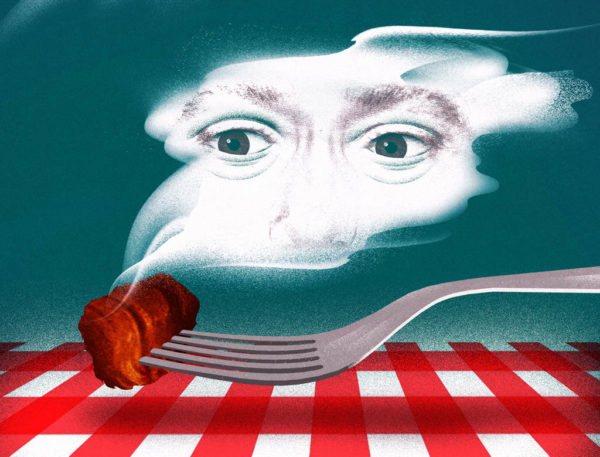
Barbecue with Dad, dementia and how our senses contribute to cognition
Barbecue with Dad, dementia and how our senses contribute to cognition

The psychological distress of living through a pandemic, and how to build resilience

Camaraderie makes Alcoholics Anonymous the best way to quit drinking, study shows
EEG brain activity can predict who will respond to depression drug
A brain implant developed by Stanford University scientists has been shown in mice to be able to record the activity of thousands of individual neurons.

Understanding chemo brain

Lucy Kalanithi five years later

The discovery that it might be possible to eliminate Ecstasy’s addictive properties could increase the drug’s potential for use in psychiatry, new research shows.

Even teens who aren’t especially thin could be dangerously ill from atypical anorexia nervosa, according to new research.
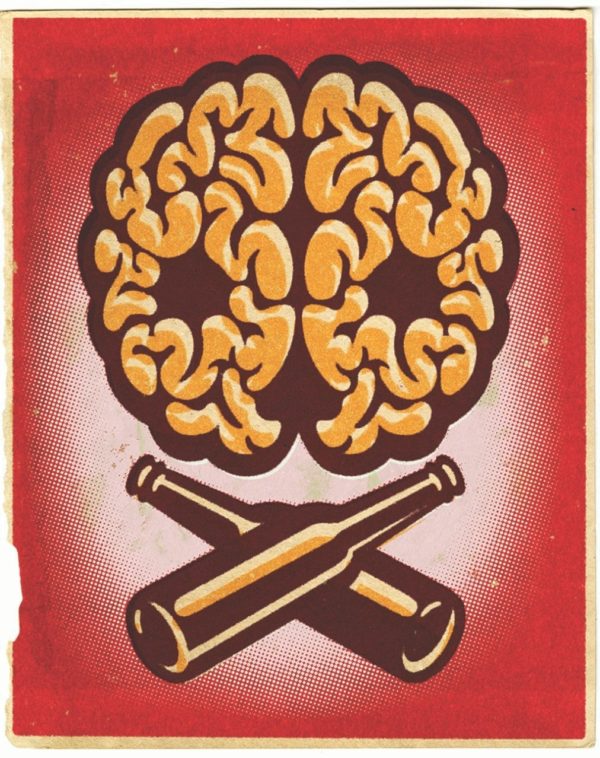
A common mutation that causes facial flushing and inflammation in response to alcohol can lead to biochemical changes associated with Alzheimer’s disease, researchers say.