

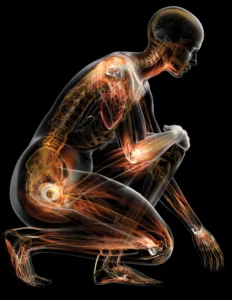
Power play
Scientists have developed an algorithm that can quickly detect 14 types of disease by scanning hundreds of chest X-rays in a matter of seconds.
Scientists have developed an algorithm that can quickly detect 14 types of disease by scanning hundreds of chest X-rays in a matter of seconds.
People born with heart defects have a higher risk of cardiovascular disease as adults and should be monitored more carefully than previously thought.
Closing gaps in our understanding of the human body is central for precision health

Scientists find neurons that hard-wire brains to recognize the sex of strangers

Stanford-India biodesign fellows invent a device that helps newborns breathe on their own
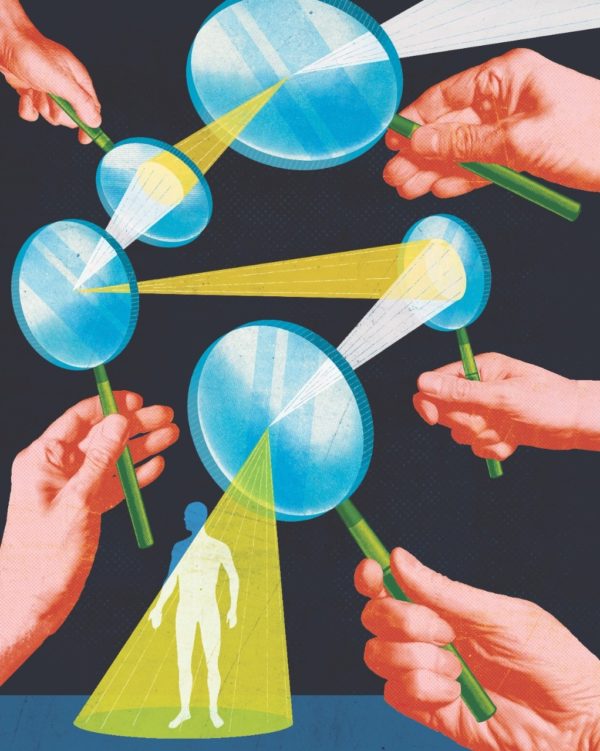
Detective doctors have diagnosed more than 100 unsolved cases and named 31 newly identified conditions, helping patients who have sometimes waited years for answers.
Research suggests that the children of older dads might have more complications at birth than babies with younger dads.
A proliferation of data is driving more democratization in health care, according to Stanford Medicine’s second annual Health Trends Report, published in December.
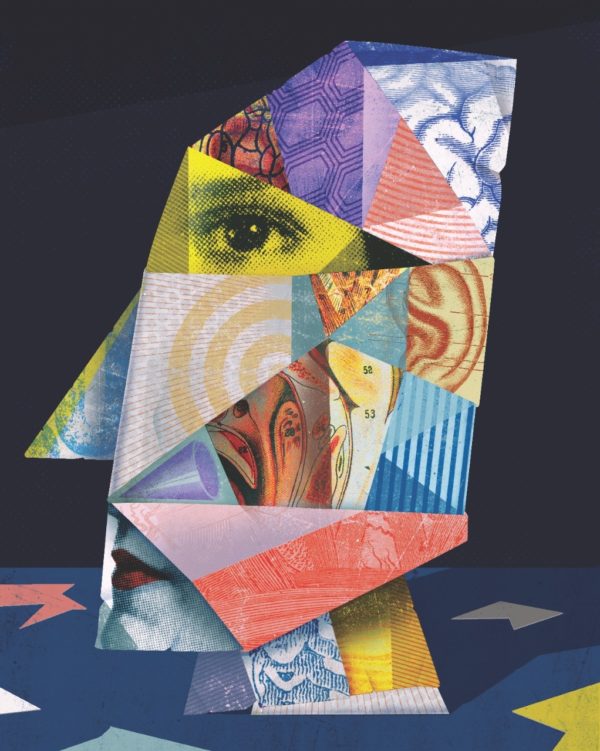
Scientists believe they have identified the process that is key to sending stem cells on the path to form distinct tissue types.
Improving global health through research, training and care