

Baby brain science
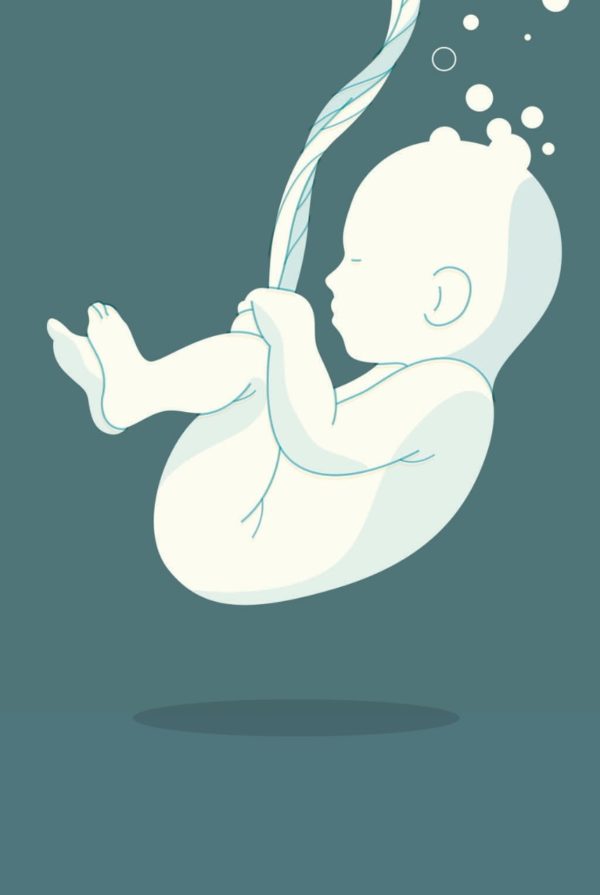
New research links preemie brain injury from low oxygen to specific cells.
New research links preemie brain injury from low oxygen to specific cells.
Scientists have devised a blood-based test that accurately identified people with chronic fatigue syndrome, a new study reports.
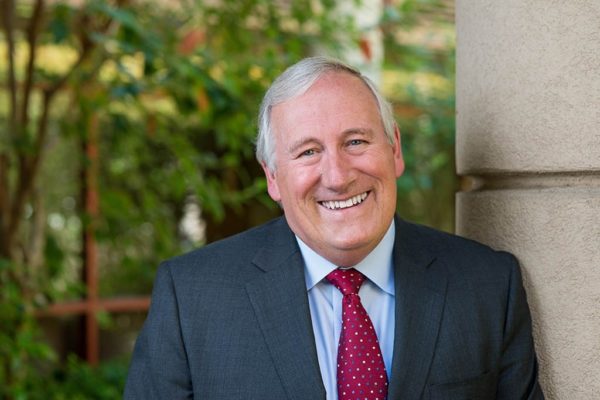
Christopher Dawes, who as CEO guided Lucile Packard Children’s Hospital Stanford through its formative years, dies at 68.
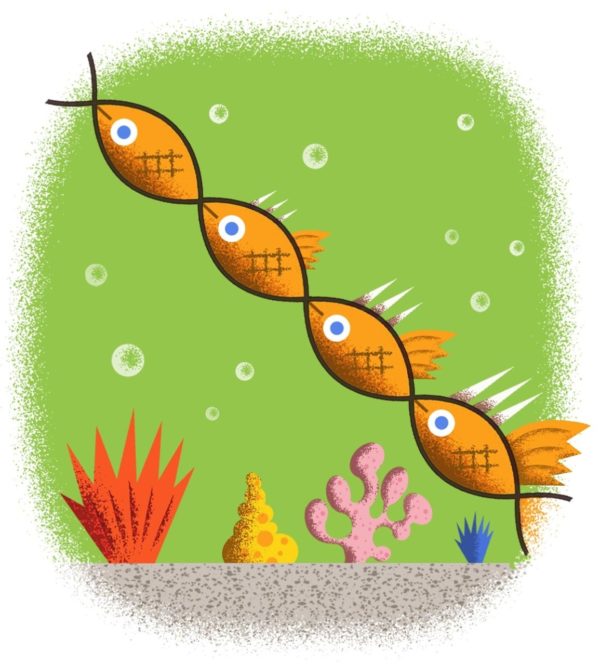
Unstable stretches of DNA have served as hot spots for rapid, dramatic skeletal mutations the helped three-spined sticklebacks adapt to new environments.
Readmissions account for $86 million of the $911 million spent yearly on gun-injury hospitalizations, according to analysis by Stanford researchers.
Scientists have developed an algorithm that can quickly detect 14 types of disease by scanning hundreds of chest X-rays in a matter of seconds.
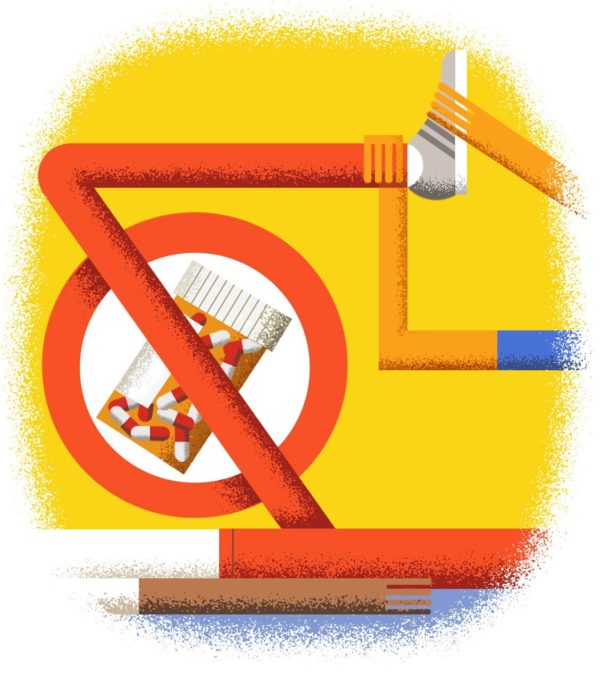
People who have physical therapy soon after a diagnosis for shoulder, back and other musculoskeletal pain are less likely to use opioids, an analysis shows.
People born with heart defects have a higher risk of cardiovascular disease as adults and should be monitored more carefully than previously thought.
Researchers hope discovery of brain cells that make pain unpleasant can lead to treatments for chronic pain patients
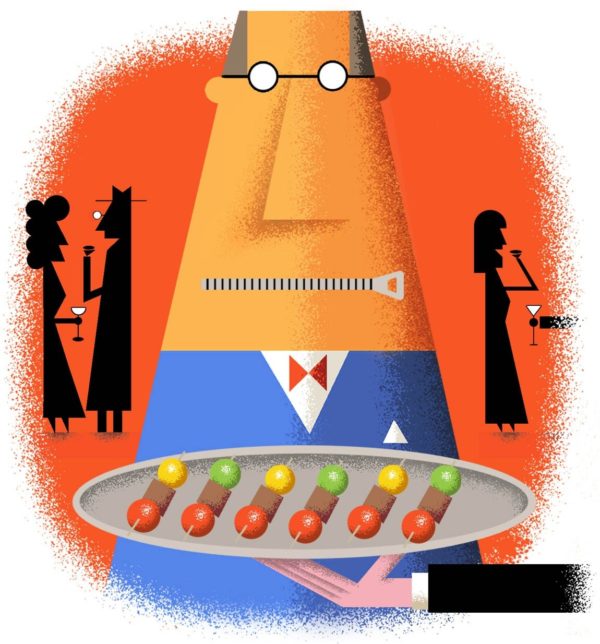
Researchers have identified a brain-circuitry link between how much food mice consume and social interactions, which could lead to treatments for people with anorexia.