

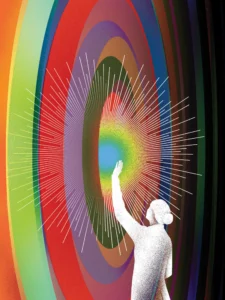
Smooth operation
Knowing the genetic makeup of tissue that forms around organs after surgery could prevent the painful adhesions.
Readmit
Knowing the genetic makeup of tissue that forms around organs after surgery could prevent the painful adhesions.
Readmit
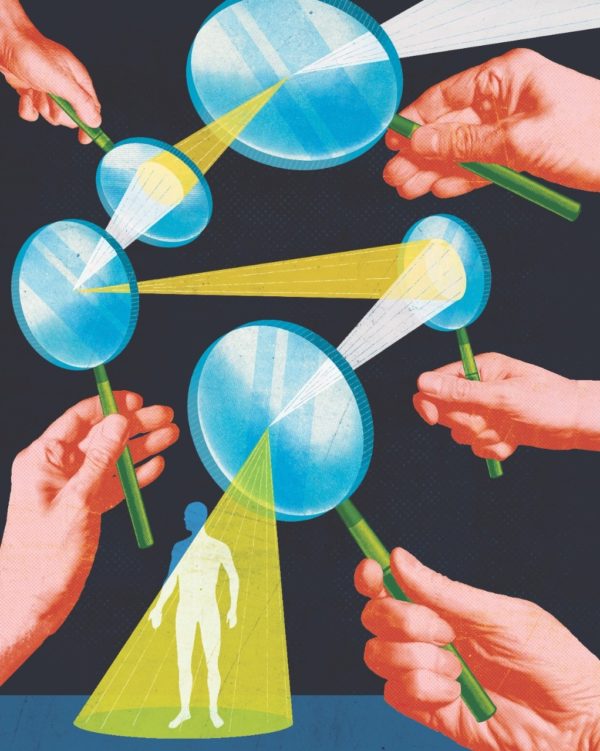
Detective doctors have diagnosed more than 100 unsolved cases and named 31 newly identified conditions, helping patients who have sometimes waited years for answers.
Research suggests that the children of older dads might have more complications at birth than babies with younger dads.
A proliferation of data is driving more democratization in health care, according to Stanford Medicine’s second annual Health Trends Report, published in December.
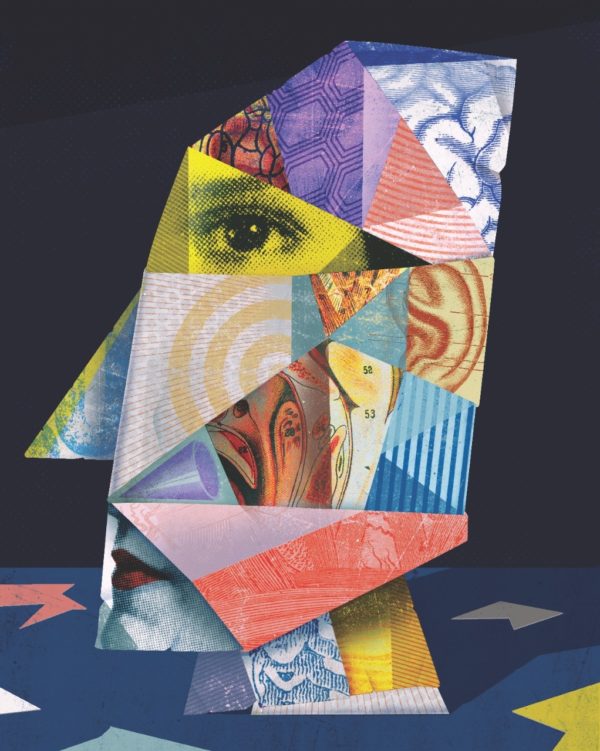
Scientists believe they have identified the process that is key to sending stem cells on the path to form distinct tissue types.

Paul King, a longtime leader in children’s and women’s health, has been tapped to lead children’s health at Stanford Medicine.
A study of the genetic and health records of thousands of U.S. military veterans could offer clues for treating heart disease and diabetes.
Varying levels of a naturally occurring molecule that slows the spread of Salmonella could explain why the pathogen doesn’t sicken everyone.

The relatively rapid evolution of our brains could explain why humans suffer from schizophrenia and bipolar disorder, but animals don’t.