

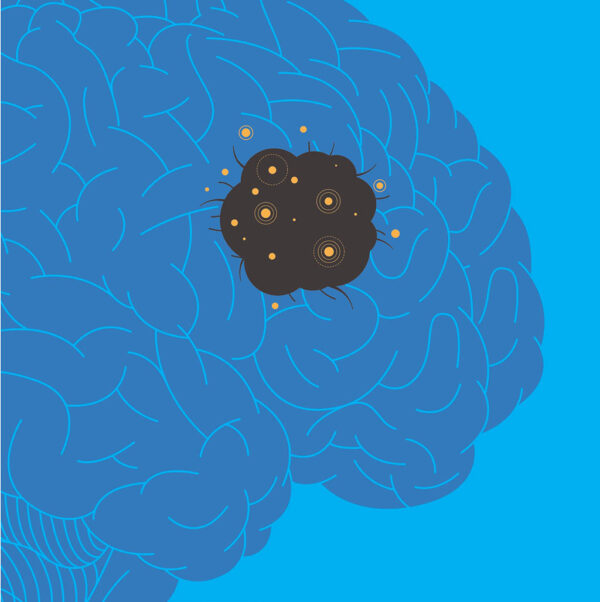
Brain tumor heat treatment
Infrared light can destroy brain tumors without damaging surrounding tissue
Infrared light can destroy brain tumors without damaging surrounding tissue
Researchers spot brain cells that help drive gender-specific sexual behavior

Blocking age-related protein activity can revitalize older muscles
A brain implant developed by Stanford University scientists has been shown in mice to be able to record the activity of thousands of individual neurons.
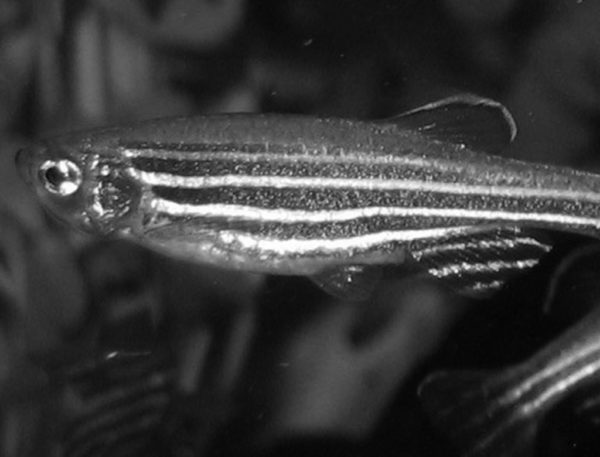
Understanding the neurology of snoozing zebrafish could solve the mysteries of human sleep
Stimulating cells that jump in to protect healthy tissues in MS patients when their immune systems attack could lead to new drug therapies, researcher says.
Inflammation from a simple infection can awaken a silent genetic defect in rats that carry it, resulting in a deadly form of pulmonary hypertension, a study shows.
Depressed people have lower levels of a naturally occurring amino acid called acetyl-L-carnitine that helps our bodies produce energy.
Activating the release of a mood-regulating chemical into a single brain circuit can improve the sociability of mice with autismlike symptoms.
Altering cells could ease a promising cancer therapy’s side effects