

Rave new world
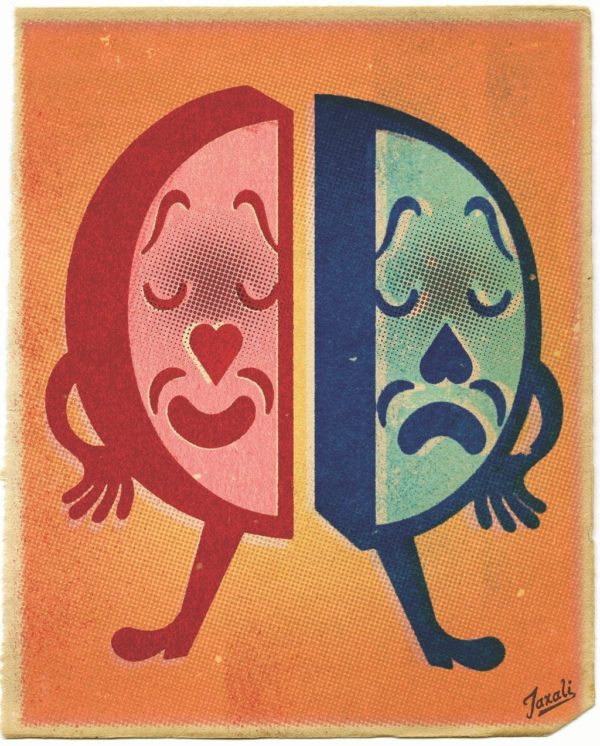
The discovery that it might be possible to eliminate Ecstasy’s addictive properties could increase the drug’s potential for use in psychiatry, new research shows.
The discovery that it might be possible to eliminate Ecstasy’s addictive properties could increase the drug’s potential for use in psychiatry, new research shows.
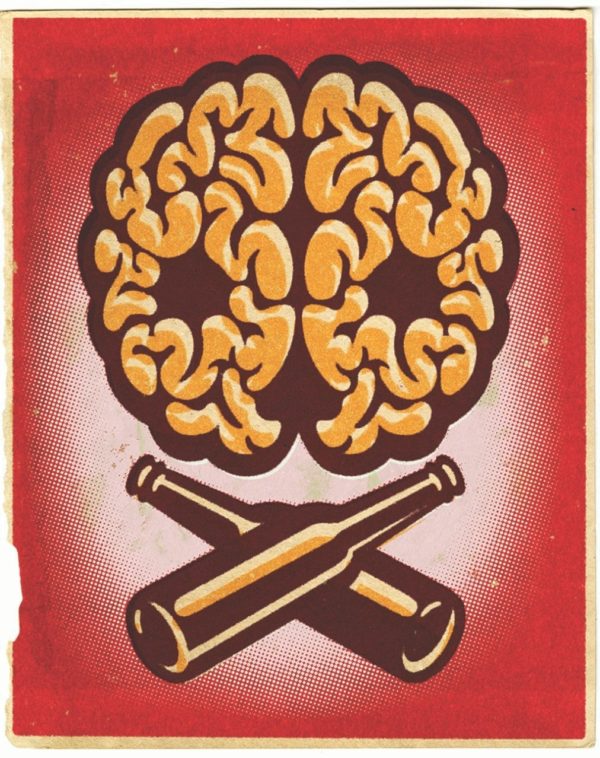
A common mutation that causes facial flushing and inflammation in response to alcohol can lead to biochemical changes associated with Alzheimer’s disease, researchers say.
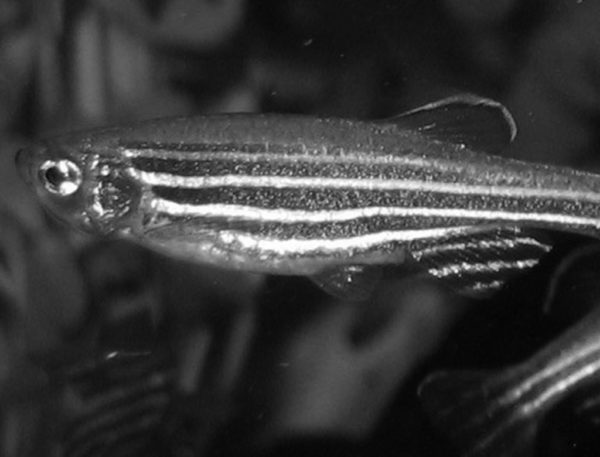
Understanding the neurology of snoozing zebrafish could solve the mysteries of human sleep
How Stanford physicians and researchers prepare patients to thrive after surgery
Guided by lasers, fluorescence and real-time imaging, surgeons develop new ways to enhance precision

Brain scans of a group of adolescents in California’s Salinas Valley show a direct link between pesticides they were exposed to in utero and certain brain functions.
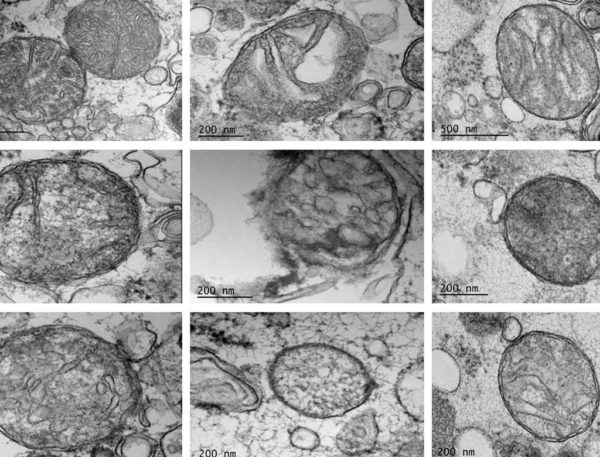
When nerve cells’ power packs go wrong

New research links preemie brain injury from low oxygen to specific cells.
Plans, dreams and day-to-day work for a team studying the sense of touch
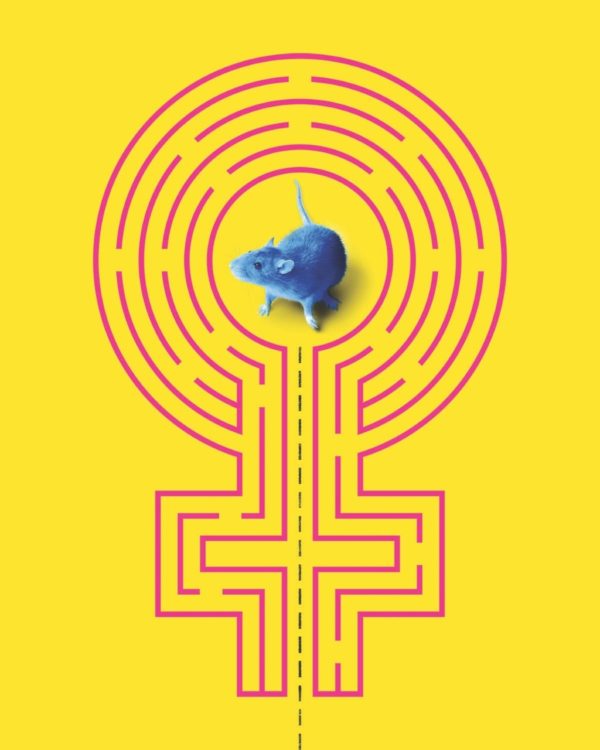
Scientists find neurons that hard-wire brains to recognize the sex of strangers