Upfront
A quick look at the latest developments from Stanford Medicine
The 2026 Issue 2 Upfront section features short updates on recent developments and discoveries at Stanford Medicine.
Blanket immunity
Vaccine developed that can target a variety of viruses, bacteria and allergens
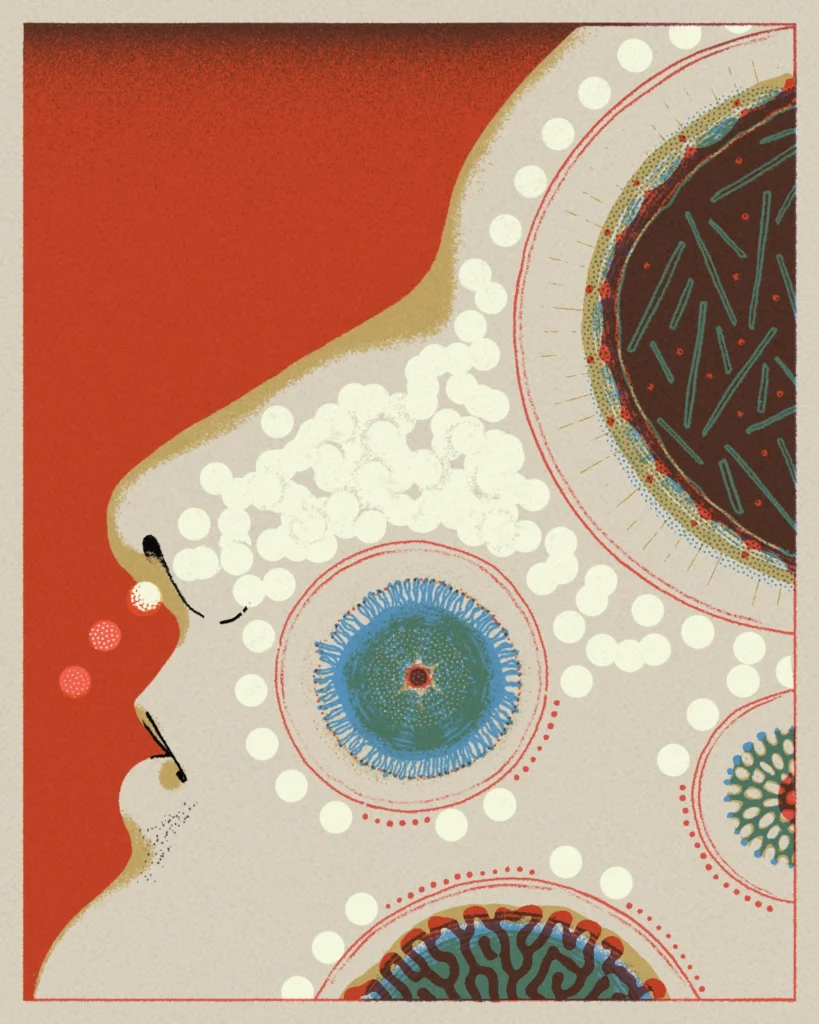
Stanford Medicine researchers and collaborators are a step closer to creating a universal vaccine — a holy grail of medicine.
In a study in mice, researchers developed a vaccine formula that protects against a wide range of respiratory viruses, bacteria and even allergens. The intranasal vaccine provides broad protection in the lungs for several months.
In the study, published in February 2026 in Science, researchers showed that vaccinated mice were protected against SARS-CoV-2 and other coronaviruses, Staphylococcus aureus and Acinetobacter baumannii (common hospital-acquired bacterial infections), and house dust mites (a common allergen).
The vaccine is unlike any used today. It doesn’t try to mimic any part of a pathogen; instead, it mimics the signals that immune cells use to communicate with each other during an infection. This novel strategy integrates the two branches of immunity — innate and adaptive — creating a feedback loop that sustains a broad immune response.
The vaccine is a “double whammy” against pathogens, said the study’s senior author, Bali Pulendran, PhD, the Violetta L. Horton Professor II, a professor of microbiology and immunology.
Against SARS-CoV-2, for example, a prolonged innate response lowers the amount of virus in the lungs by 700-fold. And viruses that slip through this initial defense are met with a swift adaptive response in the lungs.
If translated into humans, such a vaccine could replace multiple jabs every year for seasonal respiratory infections and be on hand should a new pandemic virus emerge.
Read the full story here
About face
Study shows that the key main scar-forming cells in the face are super healers

Cuts on the face tend to heal with less scarring than cuts anywhere else — and Stanford Medicine researchers have figured out why. Their findings could one day lead to scar-free healing.
Scars are more than a cosmetic problem. They can interfere with normal tissue function and cause chronic pain, disease and even death. About 45% of deaths in the U.S. are due to some type of scarring — usually of vital organs like the lungs, liver or heart.
“The face and scalp are developmentally unique,” said Derrick Wan, MD, the Johnson & Johnson Distinguished Professor in Surgery II.
The researchers compared fibroblasts — the main scar-forming cells — from four body sites and found facial fibroblasts triggered healing pathways.
Activating these pathways — or using a drug to switch off a scar-promoting protein — helped back wounds heal more like facial wounds.
Wan shares co-senior authorship of the mouse-based study, published in January 2026 in Cell, with Michael Longaker, MD, the Deane P. and Louise Mitchell Professor in the School of Medicine.
Read the full story here
Seek and destroy
Immunology method equips immune cells to detect, track down and attack tumors
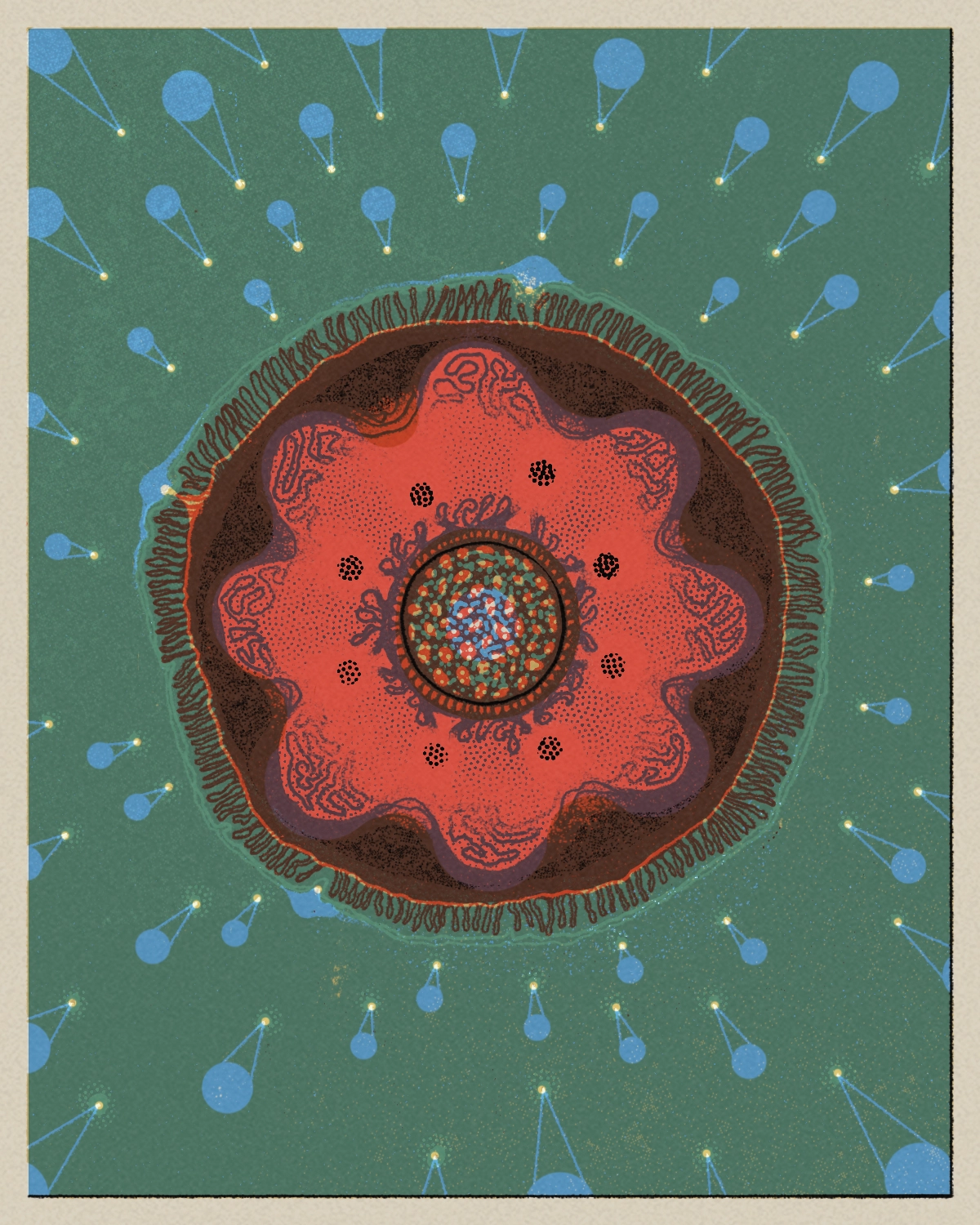
A technique that transforms immune cells into cancer-seeking bloodhounds may overcome a roadblock that has hampered immunotherapy for solid tumors, a Stanford Medicine study shows.
The approach involves equipping immune cells with surface proteins that detect detritus from cancer cells’ abnormal metabolism and encourage the immune cells to migrate toward tumors.
Unlike CAR-T cell therapy, which uses receptors that recognize and target a protein tethered to the surface of a cancer cell, this method responds to small molecules released into the surrounding environment.
Arming immune cells with metabolite-sensing receptors markedly improved their ability to seek out and infiltrate tumors, enhancing survival rates in mice with human breast and ovarian cancers, said Livnat Jerby, PhD, an assistant professor of genetics and the senior author of the study.
CAR-T cell therapy has transformed the treatment of several blood cancers since the Food and Drug Administration approved it in 2017 for treating acute lymphoblastic leukemia. But it’s been less successful in patients with solid tumors.
In mouse studies led by Jerby’s team, arming CAR-T cells with specific metabolite-sensing receptors markedly increased the therapies’ effectiveness.
“We found that when we equip immune cells with receptors that sense metabolites released by cancer cells, they can sense the tumor, migrate toward it, infiltrate it and control tumor growth,” Jerby said.
Read the full story here

Real-time fetal monitoring
Ultrasound patch developed to track high-risk pregnancies
A team of researchers is testing a wearable ultrasound patch that allows doctors to monitor high-risk pregnancies more closely than is possible with current technology.
A study of the patch, which gained early validation in several dozen pregnant patients, published in May 2026 in Nature Biotechnology.
“There’s nothing similar to our device on the market or in the scientific literature,” said Sheng Xu, PhD, a Stanford Medicine professor of anesthesiology, perioperative and
pain medicine.
The patch was created at Stanford Medicine, Oxford University and the University of California, San Diego, where much of the research was conducted before Xu and study lead author Geonho “Tom” Park, PhD, came to Stanford.
Researchers said it is promising for monitoring high-risk conditions such as intrauterine growth restriction, in which an insufficient amount of blood flows through umbilical cord, hampering delivery of oxygen and nutrients and causing the fetus to grow slowly.
Current fetal-monitoring options include cardiotocography, to measure fetal heart rate and uterine contractions, and traditional ultrasound, which uses sound waves to capture detailed images of the fetus, including the umbilical cord and placenta.
A key element of the patch is an algorithm the team developed to track the major blood vessels in the umbilical cord — two arteries and a vein — in addition to measuring blood flow through a major artery in the fetus, in real time.
Read the full story here
Neutrophils tied to schizophrenia
Finding reveals a new understanding of the brain disorder
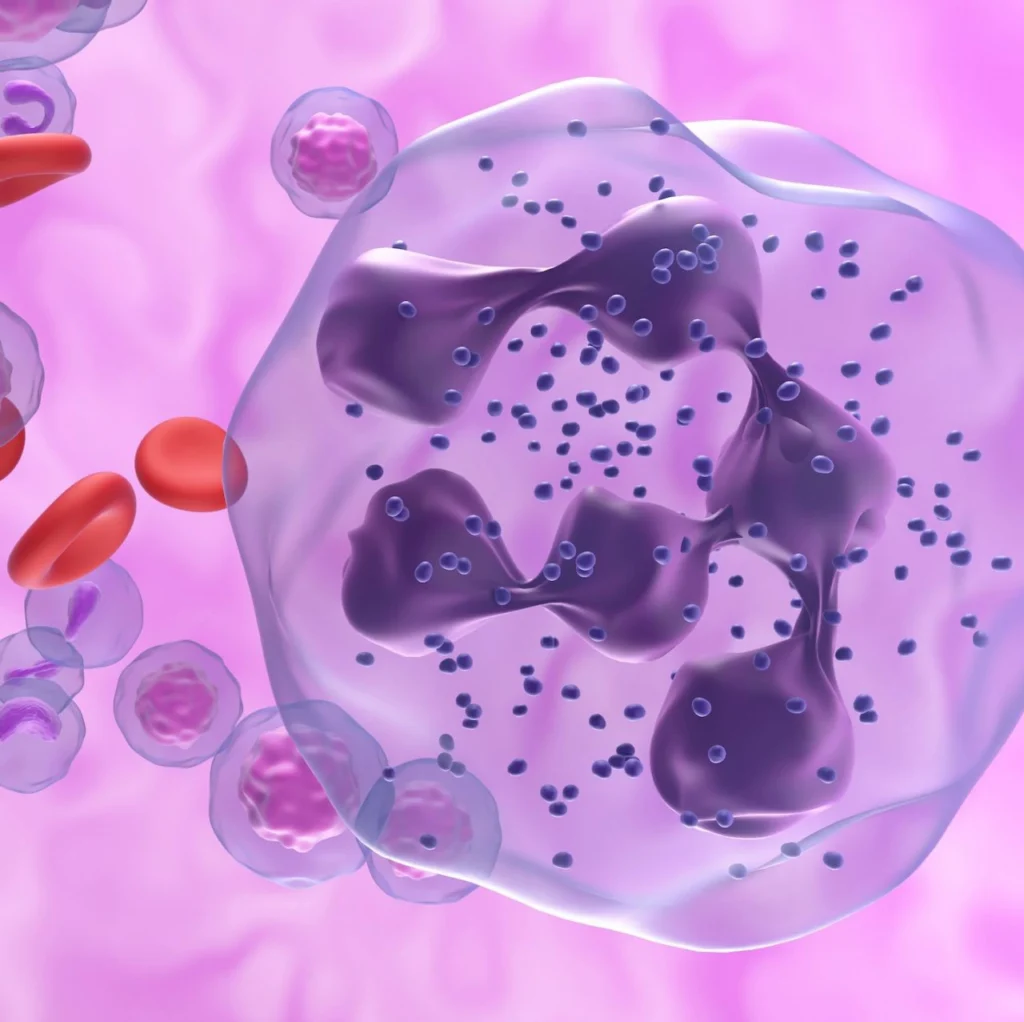
Neutrophils, the first immune cells to arrive on the scene of bacterial infections, can make a protein called C4A.
That unexpected discovery ties schizophrenia, a brain disorder, to neutrophils — and raises the possibility that these cells play a direct role in the condition.
If they do, blocking their activity serve as a treatment.
A paper on the findings was published in May 2026 in Proceedings of the National Academy of Sciences. Agnes Kalinowski, MD, PhD, a clinical assistant professor of psychiatry and behavioral sciences, is the lead author. The senior author is Alexander Urban, PhD, associate professor of psychiatry and behavioral sciences and of genetics.
C4A is one of 50 or so proteins in our bloodstreams, collectively called complement, that collaborate to rapidly recognize and respond to various inflammatory events such as microbial invasions.
C4A pops up in the brain, too. It’s involved in synaptic pruning, in which the brain periodically rids itself of excessive nerve-cell-to-nerve-cell contact points called synapses.
This ordinarily enhances cognitive coherence, but it can go too far. The typical schizophrenic brain’s cerebral cortex, crucial to high-level mental functioning, contains some 30% fewer synapses than a healthy brain does. In the study, the team found that neutrophils can and do make C4A.
“It turns out neutrophils are able to be little factories for C4A,” Kalinowski said. And neutrophils from schizophrenic patients are initiating far more C4A production than healthy controls’ neutrophils are.
“We don’t have a full answer explanation of schizophrenia yet, but we’re putting together the jigsaw puzzle,” Kalinowski said. “Figuring out where each piece goes helps you snap the rest of them into place more quickly.”
Read the full story here
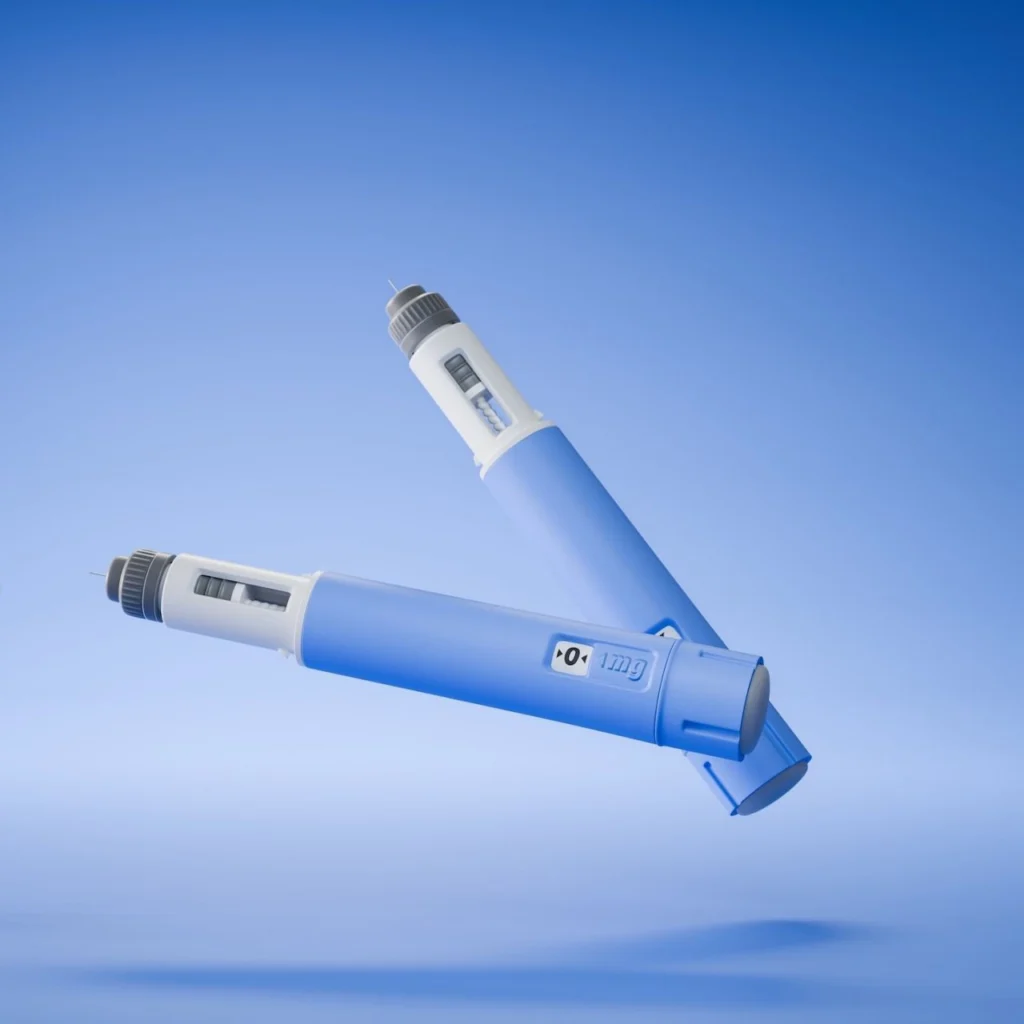
Gene can lower GLP-1 response
GLP-1 medications may not work well for a significant portion of the population
More than a quarter of people with Type 2 diabetes take GLP-1 receptor agonists, but the popular diabetes drugs might not help people with certain genetic variants, Stanford Medicine scientists and collaborators reported in a new study.
One in 10 people carry genetic variants that handicap PAM, an enzyme that activates many hormones in the body, including GLP-1 (glucagon-like peptide-1), which helps regulate blood sugar.
That causes a still mysterious phenomenon known as GLP-1 resistance, in which levels of GLP-1 are higher but less effective.
“Despite people with the PAM variant having higher circulating levels of GLP-1, we saw no evidence of higher biological activity. They were not reducing their blood sugar levels more quickly,” said Anna Gloyn, DPhil, professor of pediatrics and of genetics, and a senior author of the study, published in April 2026 in Genome Medicine.
In a meta-analysis of a three drug trials, totaling 1,119 participants, people with PAM variants were less successful in lowering their HbA1c, a measure of average blood sugar levels.
It’s unclear whether the variants affect weight loss from these drugs, which are increasingly prescribed to treat obesity. Some weight loss data from the trials showed no difference, but the data is too limited to be conclusive, Gloyn said.
Read the full story here