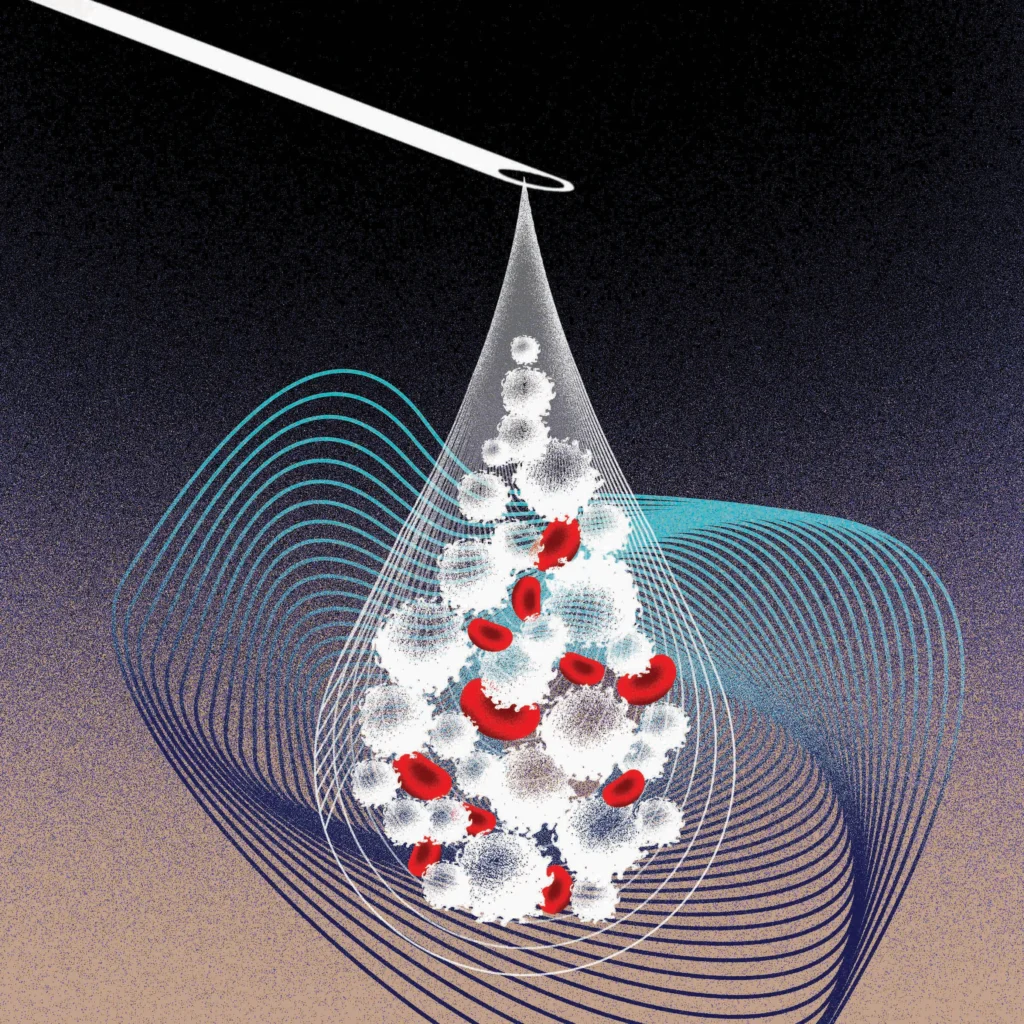
On the cusp

Closing in on medical solutions — from preventing kidney stones to stopping Alzheimer’s and curing ovarian cancer

Illustration by Brian Stauffer

The path from an aha moment to a medical advance involves researchers climbing a series of confidence-building steps — each one meant to hone the resulting insights into a real-world patient benefit.

In this Research & Development section, we meet Stanford Medicine researchers who are on this path and spotlight their progress along the route, whether their stage is preclinical development, where they’re analyzing molecular mechanisms, refining models and designing interventions, or they’ve made it to clinical trials, where they’re putting early promise to the test in the place it matters most — among patients.

Research & Development
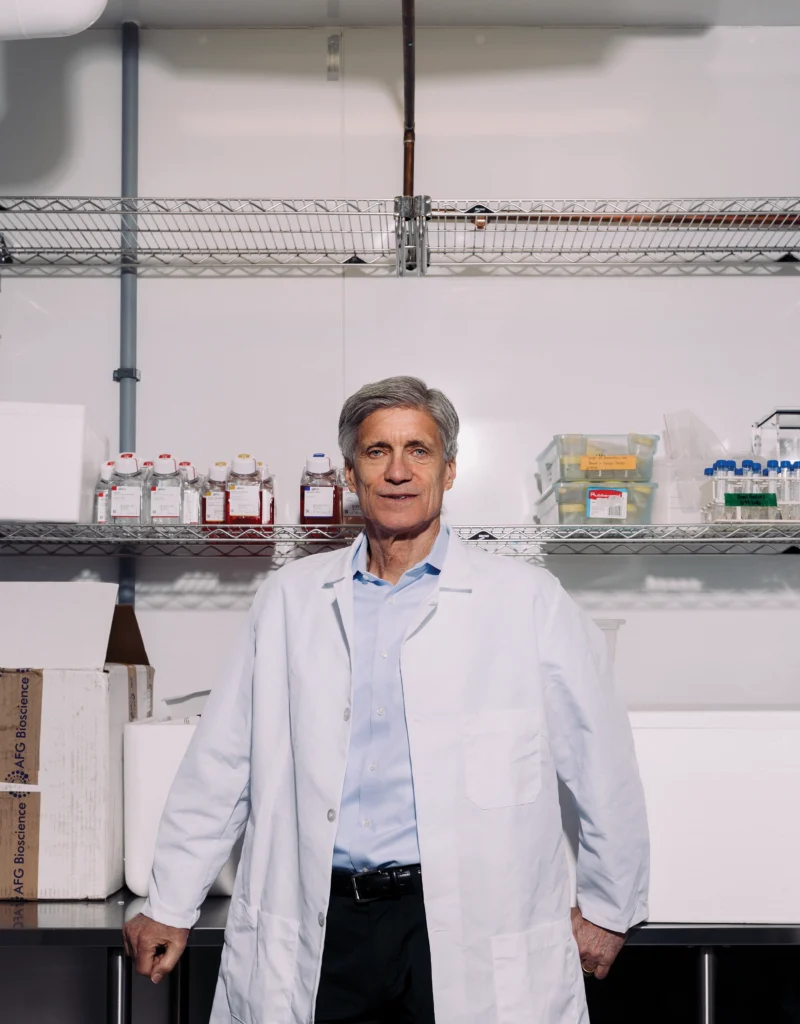
Frank Longo, MD, PhD, is testing a new kind of drug for Alzheimer’s disease that would prevent the loss of synapses, the electrochemical junctions through which nerve cells in the brain transfer signals to one another.

A better Alzheimer’s drug

A long trek nears its destination

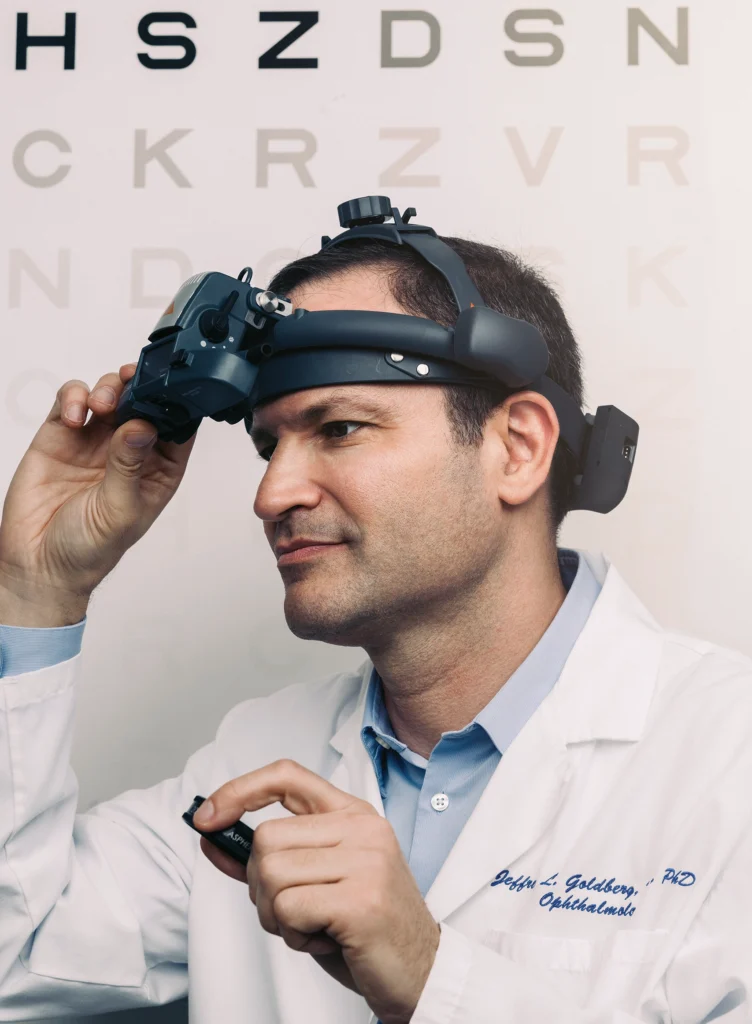
Jeffrey Goldberg, MD, PhD, develops and tests innovative ways to overcome nerve damage caused by glaucoma.

In sight

New approaches to glaucoma, the leading cause of blindness

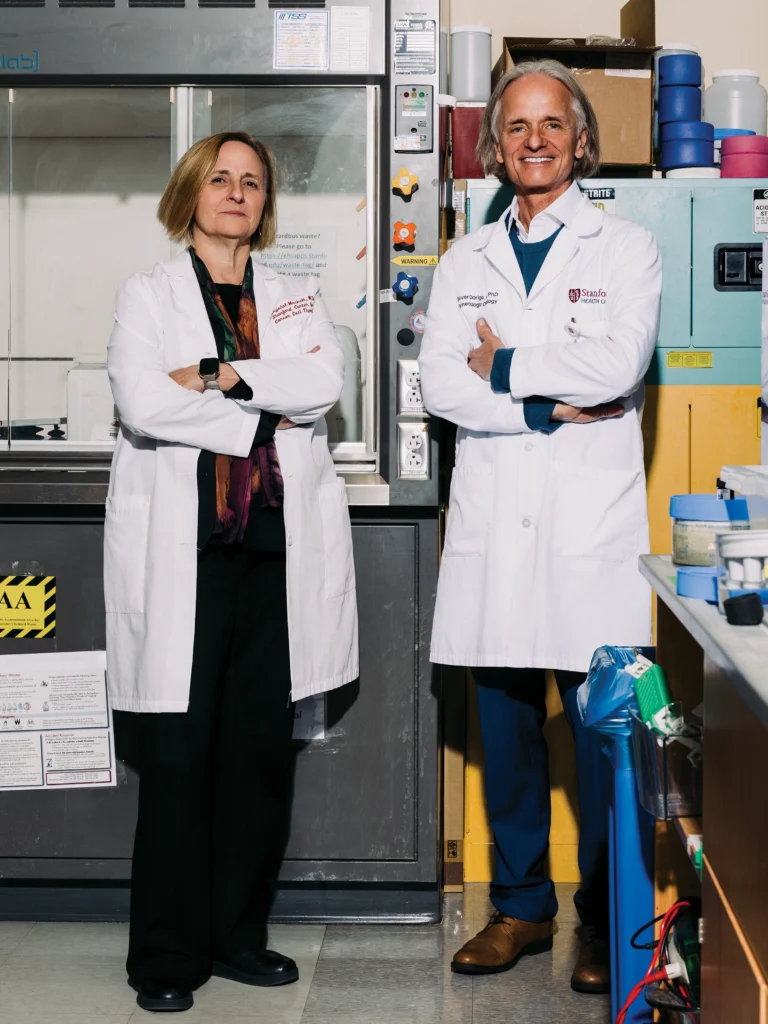
Crystal Mackall, MD, and Oliver Dorigo, MD, PhD, are seeing early positive results in a trial they hope will lead to new immunotherapy options for patients with ovarian cancer.

‘We need a breakthrough’

Trials of immunotherapy for ovarian cancer offer hope for patients with few options

Illustration by Brian Stauffer

Catalyst

How a rigorous framework is spurring medical solutions

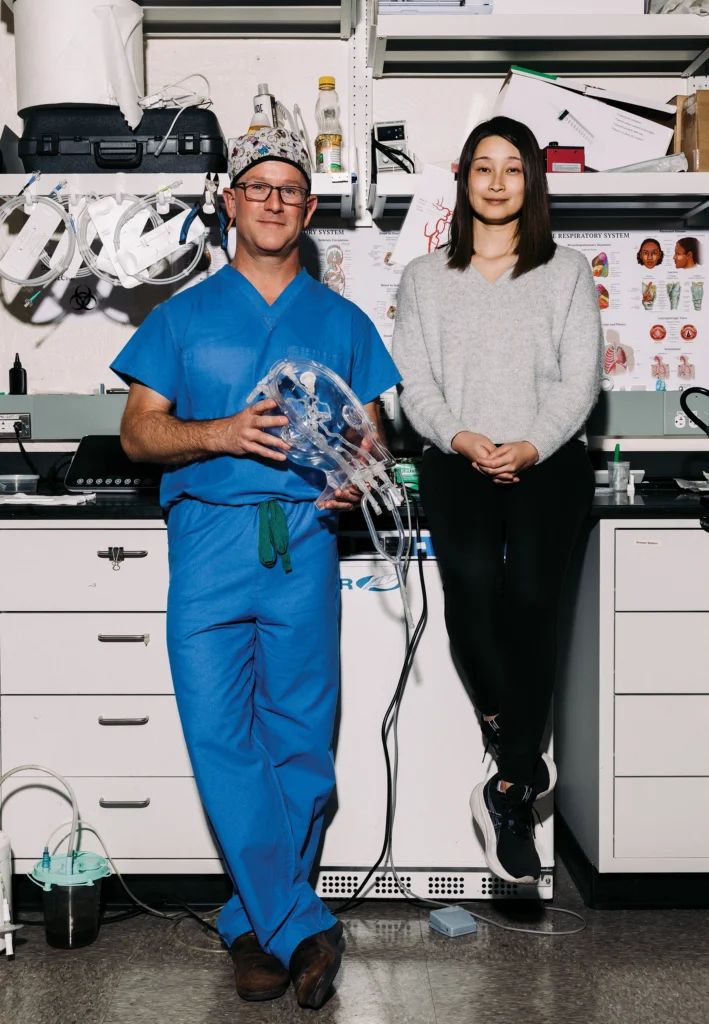
Neurointerventional surgeon Jeremy Heit, MD, PhD, left, and mechanical engineer Renee Zhao, PhD, are testing a device, called a milli-spinner, that rapidly twirls blood clots in patients, shrinking them to a fraction of their size so they can easily be removed.

Twirling to treat stroke

How a spinning device shrinks blood clots in the brain

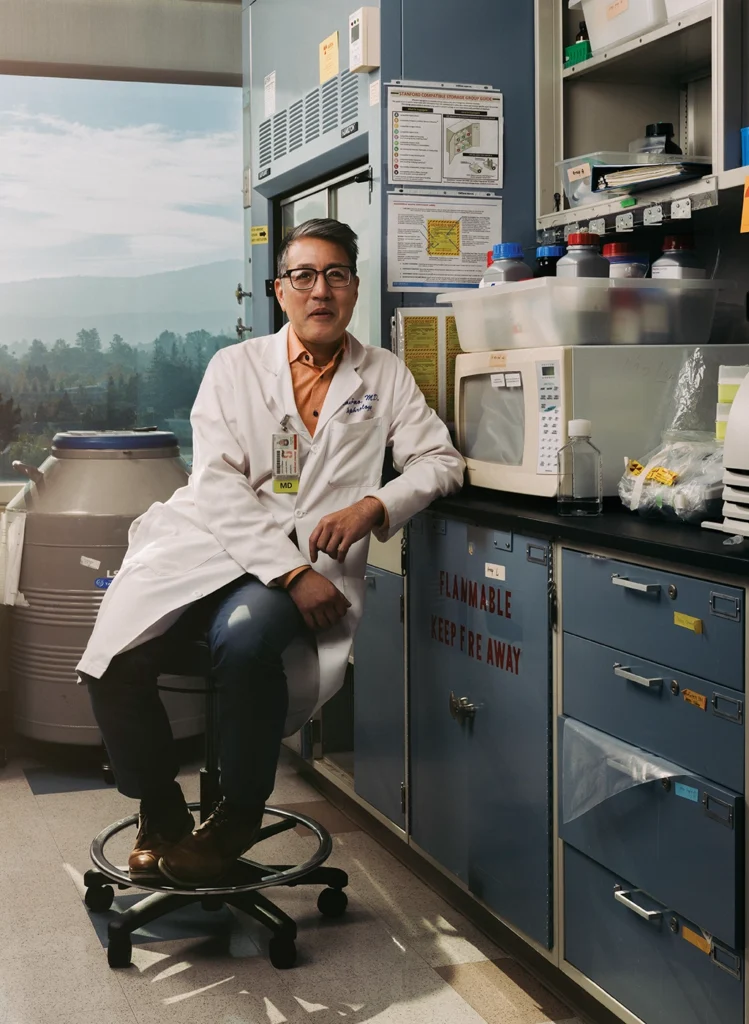
Alan Pao, MD, who directs the Stanford Medicine Kidney Stone Clinic, runs a research program investigating how doctors can better diagnose, track and treat kidney stone disease.

Stopping kidney stones at the source

A Stanford nephrologist is developing drugs that could prevent kidney stones
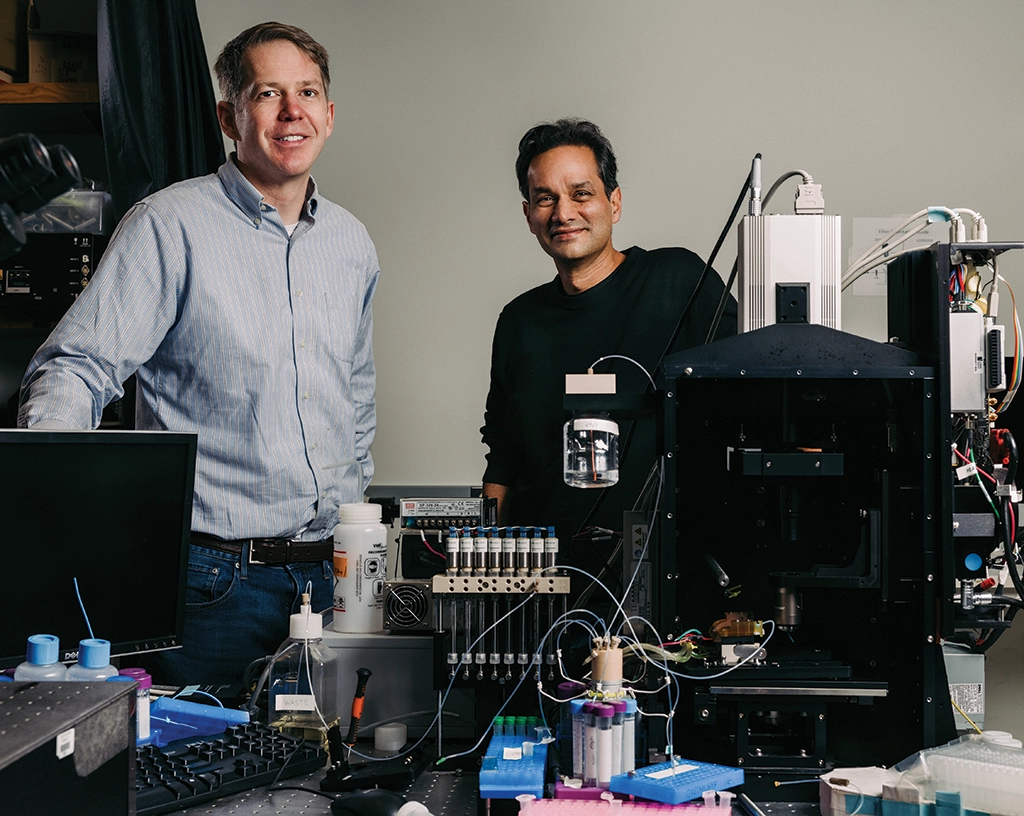
Geneticist William Greenleaf, PhD, (left) and biochemist Rhiju Das, PhD, gathered insights from citizen scientists via a Stanford Medicine-designed video game to help create an affordable RNA sensor for active tuberculosis.

Game on

Crowdsourced molecular computers open a path toward a better TB test 

Illustration by Brian Stauffer

A softer landing for stem cells

A new transplant approach could spare patients chemo and radiation risk

James Dunn, MD, PhD is a pediatric surgeon and a bioengineer.

Spring forward

In pursuit of a medical device for children with short gut syndrome