


Incredibly shrinking tumors
Cell therapy beats back lethal childhood brain cancer in clinical trial
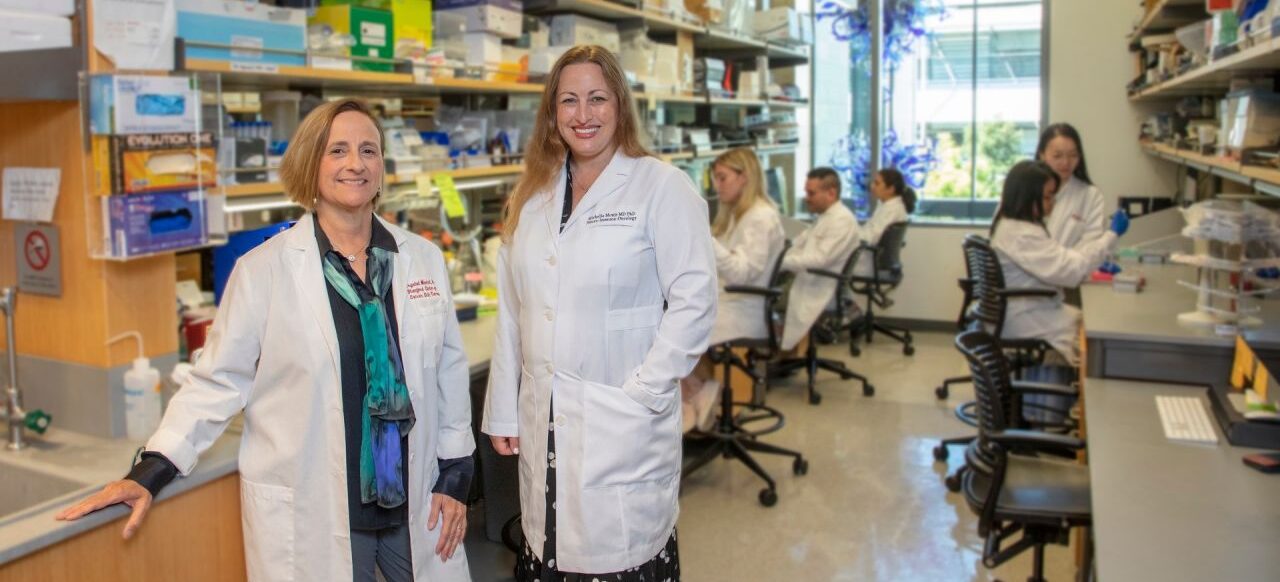
The results of a recent clinical trial at Stanford Medicine offer hope for young people with rare but deadly cancers that grow in the brain or spinal cord, or both.
Eleven participants with the cancers, known as diffuse midline gliomas, received engineered immune cells known as CAR-T cells. Nine had functional improvement in the disabilities caused by their disease.
Four had the volume of their tumors reduced by more than half. And one of those four participants had a complete response: His tumor disappeared from brain scans. Although it is too soon to say whether he is cured, he is healthy four years after diagnosis.
The findings were published online Nov. 13, 2024, in Nature.
Diffuse midline gliomas are diagnosed in a few hundred U.S. children and young adults each year. The median survival time is about a year. In October 2024, the CAR-T cell therapy received a regenerative medicine advanced therapy designation from the Food and Drug Administration, giving the researchers access to a fast-tracked version of the FDA approval process.
“While there is still a long way to go to figure out how to optimize this for every patient, it’s very exciting that one patient had a complete response,” said the study’s lead author, Michelle Monje, MD, PhD, the Milan Gambhir Professor in Pediatric Neuro-Oncology at Stanford Medicine. “I’m hopeful he has been cured.”
Read the full story here.
