


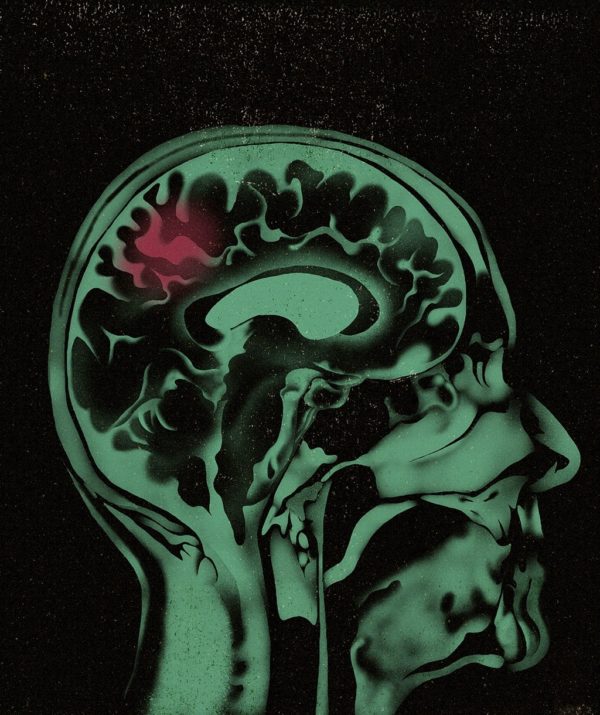
Resetting the stroke clock
New brain-imaging software identifies people who might benefit from treatment long after the time it has generally been considered helpful.
New brain-imaging software identifies people who might benefit from treatment long after the time it has generally been considered helpful.

CRISPR is a revolutionary gene-editing tool, but it’s not without risk
Babies with rare genetic disorders have chance for longer lives
Mechanical heart valves are often safer than natural tissue for mitral valve replacement until age 70.
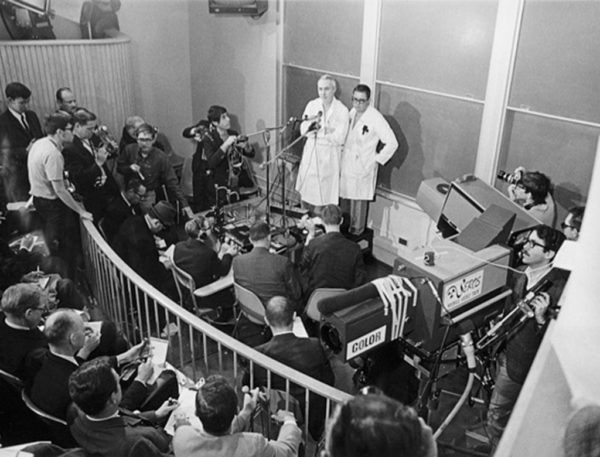
Stanford’s heart transplant breakthrough precipitated years of protocol advances
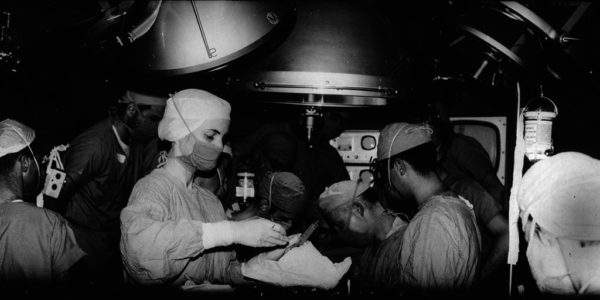
The enormity of the first U.S. adult heart transplant

It’s not just for gene therapy
Caution surrounds the use of animals to solve donor shortages
Using heart patients' own tissue to repair damaged valves
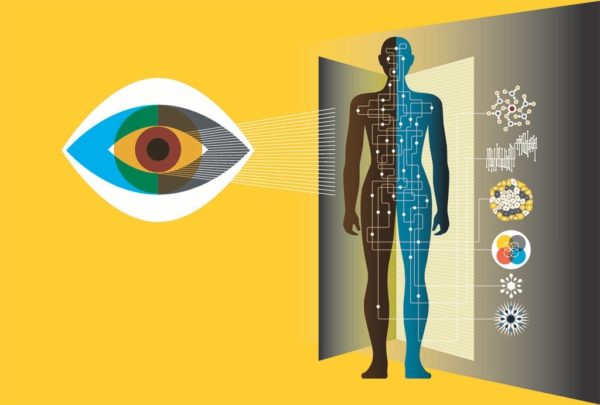
A health-care revolution in the making